20 Best Takayama Attractions: The Complete 2026 Guide
Discover the 20 best Takayama attractions in 2026. Complete guide covering Sanmachi Suji, Hida Folk Village, Takayama Jinya, morning markets, festivals, Hida beef, sake breweries, and Shirakawa-go day trips.
20 min readBy Editor
<div class="tldr-box" style="background:#f5f0e8;border-left:4px solid #8b4513;padding:1.2rem 1.5rem;margin:1.5rem 0;border-radius:4px;">
<strong>TL;DR — Takayama in 60 seconds</strong>
<ul style="margin:.6rem 0 0;padding-left:1.2rem;">
<li><strong>Top 3 must-sees:</strong> Sanmachi Suji Old Town, Hida Folk Village (Hida no Sato), Takayama Jinya</li>
<li><strong>Best festivals:</strong> Spring Festival (Sanno Matsuri, April 14–15 2026) & Autumn Festival (Hachiman Matsuri, October 9–10 2026)</li>
<li><strong>Don't miss eating:</strong> Hida beef skewers in the old town, Takayama ramen, sake tasting at a local brewery</li>
<li><strong>Best day trip:</strong> Shirakawa-go UNESCO village (40 min by bus)</li>
<li><strong>How long to stay:</strong> 2–3 nights for a full experience — see our <a href="https://japanactivity.com/takayama-3-day-itinerary/">Takayama 3-day itinerary</a></li>
</ul>
</div>
<h1>20 Best Takayama Attractions: The Complete 2026 Guide</h1>
<div class="affiliate-slot" data-nosnippet style="min-height:520px">
<span class="affiliate-badge">Sponsored</span>
<div class="affiliate-skeleton" aria-hidden="true"></div>
<div class="affiliate-inner"><div
data-gyg-href="https://widget.getyourguide.com/default/city.frame"
data-gyg-location-id="32150"
data-gyg-locale-code="en-US"
data-gyg-widget="city"
data-gyg-partner-id="26CH4CT"
data-gyg-campaign="japanactivity-gcity-takayama-attractions"
data-gyg-cmp="japanactivity-gcity-takayama-attractions"
loading="lazy"
></div></div>
</div>
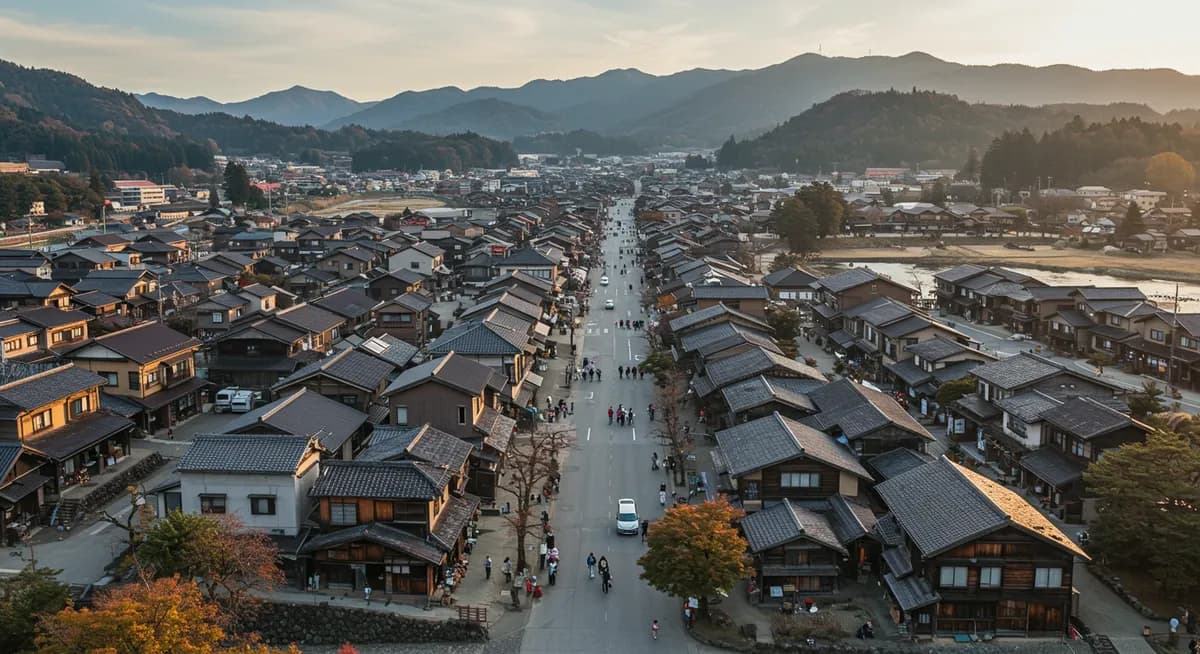
<p>Nestled deep in the Japanese Alps of Gifu Prefecture, Takayama is one of Japan's best-preserved Edo-period towns — and one of its most rewarding destinations. In 2026, this mountain city continues to attract travellers seeking authentic Japanese culture far removed from the crowds of Tokyo or Kyoto. Its immaculate old town, world-renowned festivals, outstanding local food and drink, and easy access to UNESCO landscapes make it a destination that genuinely earns every superlative.</p>
<p>This guide covers all 20 major Takayama attractions across every angle the city offers: its landmark cultural sites, its festival traditions, its culinary highlights, its seasonal experiences, and its best day trips. Whether you're planning a quick 24-hour stopover or a full three-day stay, this is your single reference for what to see, what to eat, and how to make the most of your time. For travel logistics, see our guides on getting here: <a href="https://japanactivity.com/tokyo-to-takayama-train-guide/">Tokyo to Takayama by train</a> and <a href="https://japanactivity.com/nagoya-to-takayama-train/">Nagoya to Takayama by train</a>.</p>
<div class="affiliate-slot" data-nosnippet style="min-height:600px">
<span class="affiliate-badge">Sponsored</span>
<div class="affiliate-skeleton" aria-hidden="true"></div>
<div class="affiliate-inner"><div
data-vi-partner-id="P00271059"
data-vi-widget-ref="W-d5dc59c4-3a04-417e-8a46-7be440461eba"
data-vi-search-term="Takayama"
data-vi-campaign="japanactivity-vauto-takayama-attractions"
data-campaign="japanactivity-vauto-takayama-attractions"
></div></div>
</div>
<h2>Takayama's Historic Old Town & Cultural Landmarks</h2>
<p>The historic core of Takayama — roughly the area east of JR Takayama Station bounded by the Miyagawa River — is where you'll spend most of your time. The Edo-period streetscape is remarkably intact, and the density of interesting sights within walking distance is hard to match anywhere in Japan.</p>
<h3>1. Sanmachi Suji — Takayama's Iconic Old Town</h3>
<p>The three historic lanes of Sanmachi Suji (San-no-machi, Ni-no-machi, Ichi-no-machi) form the heart of Takayama's merchant district, preserved almost exactly as they were during the Edo period. Dark wooden townhouses — many doubling as sake breweries, craft shops, and teahouses — line cobblestone streets that feel genuinely lived-in rather than theme-park recreated. The neighbourhood is at its most atmospheric at either end of the day, when the tour groups thin out and paper lanterns cast a warm glow over the old facades.</p>
<p>As you wander, look out for cedar balls (sugidama) hanging above brewery doorways — the traditional signal that fresh sake has just been made. The Jinya-mae area at the southern end connects to Takayama Jinya, making it natural to combine both in a single morning loop. For a deep-dive, our dedicated <a href="https://japanactivity.com/takayama-old-town-sanmachi-suji/">Takayama Old Town Sanmachi Suji guide</a> covers every lane, shop, and hidden alley.</p>
<h3>2. Takayama Jinya — Japan's Only Surviving Jinya</h3>
<p>Takayama Jinya is among the city's most significant historical sites — and for good reason. Built in 1615, this former government compound served for nearly three centuries as the administrative headquarters of the Tokugawa shogunate's Hida domain. When Tokugawa control over the Hida region began in 1692, twenty-five successive governors administered the region from this building. It remained in active government use until 1969 and is today the only complete <em>jinya</em> (feudal government office) surviving in Japan.</p>
<p>The complex includes audience rooms, guard quarters, a large rice storehouse (now a museum displaying official documents and Edo-era maps), and the infamous torture chamber — a sobering reminder of the judicial powers the governors once held. Entry is ¥440 for adults and free for students; opening hours are 8:45am–5:00pm (reduced to 4:30pm in winter). Plan 60–90 minutes. Our dedicated <a href="https://japanactivity.com/takayama-jinya-guide/">Takayama Jinya guide</a> has full visitor details.</p>
<h3>3. Takayama Morning Markets — Miyagawa & Jinya-mae</h3>
<p>Starting your morning at one of Takayama's two daily markets is close to mandatory. Both run from approximately 6:00am (7:00–8:00am in winter) until noon, and both are within a ten-minute walk of Takayama Station.</p>
<ul>
<li><strong>Miyagawa Morning Market</strong> — stretching 350 metres along the Miyagawa River, this is the larger of the two. Around 15–20 vendors sell fresh seasonal produce, handmade pickles, locally grown flowers, and Hida craft goods. The riverside backdrop makes it especially photogenic.</li>
<li><strong>Jinya-mae Morning Market</strong> — held in the plaza in front of Takayama Jinya, this smaller market has a calmer, more local atmosphere. Elderly vendors — often grandmothers from surrounding villages — sell homemade pickles, miso products, and seasonal sweets. The colour contrast of produce against the subdued tones of the historic Jinya square makes for excellent photography.</li>
</ul>
<p>The sweet spot for visiting is 8:00–9:00am: fresh produce is still abundant, vendors are happy to chat, and it's quiet enough to move easily between stalls. For a full breakdown of what to buy and eat at each market, see our <a href="https://japanactivity.com/takayama-morning-markets/">Takayama morning markets guide</a>.</p>
<h3>4. Hida Folk Village (Hida no Sato)</h3>
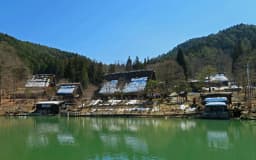
<p>The Hida Folk Village is an open-air museum containing more than 30 traditional Hida-region farmhouses, relocated from their original mountain villages and meticulously reconstructed on a forested hillside about 2km west of central Takayama. The buildings span several styles — from grand gassho-zukuri (steeply thatched farmhouses with roofs "folded like hands in prayer") to smaller working structures including watermills, storehouses, and logging huts. All were built during the Edo period and represent authentic rural architecture designed to withstand the region's heavy mountain snowfall.</p>
<p>Between 10:00am and 3:00pm, resident craftspeople demonstrate traditional techniques including pottery, weaving, wood carving, and thatching — making the museum genuinely interactive rather than just architectural. Admission is ¥700 for adults; open daily 8:30am–5:00pm. Access: a 10-minute ride on the Sarubobo Bus (¥100 per ride or ¥500 for a day pass) from the station, or a 30-minute walk. Our <a href="https://japanactivity.com/hida-folk-village-takayama/">Hida Folk Village guide</a> covers the best buildings to visit, the craft demo schedule, and photography tips.</p>
<h3>5. Takayama Festival Floats Hall (Yatai Kaikan)</h3>
<p>If you're visiting outside festival season, the Takayama Yatai Kaikan is the best way to appreciate the city's extraordinary festival culture. The hall displays four of the eleven magnificent yatai (festival floats) on rotation throughout the year — each one a masterpiece of Edo-period craftsmanship featuring intricate carved woodwork, gilded metalwork, richly woven textiles, and in some cases mechanical karakuri marionettes that can perform acrobatic routines. Some floats date back several hundred years and represent the combined efforts of generations of Hida artisans. Guided tours add important cultural context about the festivals themselves.</p>
<h2>Takayama's Famous Festivals</h2>
<div class="affiliate-slot" data-nosnippet style="min-height:420px">
<span class="affiliate-badge">Sponsored</span>
<div class="affiliate-skeleton" aria-hidden="true"></div>
<div class="affiliate-inner"><div
data-gyg-href="https://widget.getyourguide.com/default/activities.frame"
data-gyg-location-id="32150"
data-gyg-locale-code="en-US"
data-gyg-widget="activities"
data-gyg-partner-id="26CH4CT"
data-gyg-number-of-items="4"
data-gyg-campaign="japanactivity-gact-takayama-attractions"
data-gyg-cmp="japanactivity-gact-takayama-attractions"
loading="lazy"
></div></div>
</div>
<p>Takayama's two annual festivals are widely regarded as among the finest in Japan. The <em>Takayama Matsuri</em> appears in the Michelin Green Guide and draws visitors from across the world. Understanding the two festivals — and their differences — is essential for anyone planning a visit.</p>
<h3>6. Spring Festival — Sanno Matsuri (April 14–15, 2026)</h3>
<p>The Spring Festival (Sanno Matsuri) is the annual celebration of Hie Shrine, which sits in the southern half of Takayama's old town. It takes place on April 14–15 each year. The festival features twelve elaborately decorated yatai floats paraded through the streets, accompanied by traditional music, costumed performers, and a procession of mikoshi (portable shrines). As cherry blossoms often reach peak bloom in mid-April in Takayama, the backdrop of pink sakura against golden festival floats makes for an extraordinarily photogenic event.</p>
<p>Evening brings the Yomatsuri (night festival), when the floats are lit by hundreds of paper lanterns — widely considered the most beautiful few hours of the entire festival calendar. For full planning details — where to stand, when to arrive, where to eat — see our <a href="https://japanactivity.com/takayama-spring-festival-2026-guide/">Takayama Spring Festival 2026 guide</a>.</p>
<h3>7. Autumn Festival — Hachiman Matsuri (October 9–10, 2026)</h3>
<p>The Autumn Festival (Hachiman Matsuri) celebrates Sakurayama Hachimangu Shrine in the northern part of old town. Held October 9–10 each year, it features its own set of eleven yatai floats — different from those used in the spring festival — and is equally spectacular. The autumn colour of surrounding mountains (koyo foliage typically peaks in Takayama in mid-to-late October) provides a stunning seasonal frame. Like the spring festival, it concludes with an evening lantern procession.</p>
<p>Both festivals are held rain or shine; on rainy years, the floats remain under their rain covers but the processions still proceed. Our <a href="https://japanactivity.com/takayama-autumn-festival-2026-guide/">Takayama Autumn Festival 2026 guide</a> covers practical logistics including crowd management, best viewing positions, and accommodation booking timelines (book 3–6 months ahead for festival weekends).</p>
<h2>Takayama's Food & Drink Scene</h2>
<p>Takayama's culinary identity is as distinct as its architecture. The city's mountain isolation for centuries meant local producers developed their own food traditions — and those traditions have matured into some of Japan's most celebrated regional specialities.</p>
<h3>8. Hida Beef — Takayama's Premium Wagyu</h3>
<p>Hida beef (飛騨牛) is Gifu Prefecture's answer to Kobe or Matsuzaka beef: a premium Wagyu raised in the Hida highlands, graded A4 or A5, and distinguished by exceptional marbling that produces a buttery, almost sweet richness. In Takayama you'll encounter it in multiple formats:</p>
<ul>
<li><strong>Street food:</strong> Hida beef skewers grilled over charcoal — the quickest and most satisfying way to try it while wandering Sanmachi Suji</li>
<li><strong>Houba miso:</strong> sliced Hida beef grilled on a dried magnolia leaf with sweet Hida miso — the city's signature dish</li>
<li><strong>Nigiri sushi:</strong> lightly seared Hida beef sushi at specialist restaurants near the morning markets</li>
<li><strong>Full steak or sukiyaki courses:</strong> at sit-down restaurants for a more formal experience</li>
</ul>
<p>For the best restaurant options across budgets and styles, our <a href="https://japanactivity.com/hida-beef-takayama-where-to-eat/">Hida beef Takayama where to eat guide</a> covers twelve vetted spots from casual lunch counters to premium kaiseki dining.</p>
<h3>9. Sake Breweries of Sanmachi Suji</h3>
<p>Takayama's pure snowmelt water and cold mountain climate make it one of Japan's finest sake-brewing towns. Roughly a dozen active breweries operate within the old town, and most welcome visitors for tastings — look for the cedar ball (sugidama) hanging above the entrance. Each brewery has its own character: some are centuries old, some produce just a handful of small-batch labels, and most sell bottles to take home that you simply can't find elsewhere.</p>
<p>The most popular approach is to graze between three or four breweries in a single morning-market loop, using the tasting pours (many are free or ¥100–200 per sample) as a way to compare styles from dry and crisp junmai to rich, aged koshu. For a structured brewery-by-brewery breakdown, see our <a href="https://japanactivity.com/takayama-sake-breweries-tour/">Takayama sake breweries tour guide</a>.</p>
<h3>10. Takayama Ramen & Other Local Specialities</h3>
<p>Beyond Hida beef and sake, Takayama has a rich broader food culture worth exploring. Takayama-style ramen features a clear, light soy-based broth with thin straight noodles — notably different from the heavy broths of Tokyo or Sapporo ramen. Other must-try local foods include:</p>
<ul>
<li><strong>Mitarashi dango</strong> — skewered rice-flour dumplings glazed with a slightly sweet soy sauce</li>
<li><strong>Hida pickles (tsukemono)</strong> — vegetables pickled in red turnip, sake lees, or soy, sold at every market stall</li>
<li><strong>Sarubobo souvenirs</strong> — the red faceless monkey-dolls of Hida, found everywhere and a classic Takayama gift</li>
</ul>
<p>Our comprehensive <a href="https://japanactivity.com/takayama-food-guide/">Takayama food guide</a> covers the full dining landscape from street snacks to formal meals.</p>
<h2>Cultural Experiences & Activities</h2>
<div class="affiliate-slot" data-nosnippet style="min-height:600px">
<span class="affiliate-badge">Sponsored</span>
<div class="affiliate-skeleton" aria-hidden="true"></div>
<div class="affiliate-inner"><div
data-vi-partner-id="P00271059"
data-vi-widget-ref="W-d5dc59c4-3a04-417e-8a46-7be440461eba"
data-vi-search-term="Takayama"
data-vi-campaign="japanactivity-vauto-takayama-attractions"
data-campaign="japanactivity-vauto-takayama-attractions"
></div></div>
</div>
<p>Beyond the landmark sites, Takayama rewards visitors who slow down and engage with its living culture — its craft traditions, its temple walks, and its hands-on activities.</p>
<h3>11. Higashiyama Walking Course (Temple & Shrine District)</h3>
<p>The Higashiyama Walking Course is a 3.5km loop through Takayama's eastern temple district, passing thirteen temples and five shrines along a forested hillside path. The route begins near the old town and winds through wooded grounds where moss-covered stone lanterns, traditional cemetery plots, and centuries-old architecture give the walk a deeply meditative quality entirely different from the bustle of Sanmachi Suji. It takes 60–90 minutes at a gentle pace and is especially beautiful in autumn when the trees along the path turn gold and red.</p>
<h3>12. Miyagawa River Walk</h3>
<p>The Miyagawa River runs through the heart of Takayama's old town, and the riverside promenade is among the city's most pleasant free experiences. The water is exceptionally clear — fed directly by snowmelt from the surrounding Alps — and the banks are lined with weeping willows, seasonal flowers, and traditional architecture that frames perfect reflections. The stretch from the morning market south toward the covered shopping arcades takes around 20 minutes at a strolling pace and is particularly photogenic at golden hour.</p>
<h3>13. Hida Takayama Museum of Art</h3>
<p>Reopened in 2024 after extensive renovations, the Hida Takayama Museum of Art holds a prestigious three-star rating in the Michelin Green Guide Japan. The museum specialises in European decorative arts of the fin-de-siècle period — Art Nouveau glasswork, Tiffany lamps, and furniture by Gallé and Daum — alongside Japanese lacquerwork and contemporary craft. The collection is genuinely world-class and unexpected for a mountain town of Takayama's size. Allow 90 minutes minimum.</p>
<h3>14. Hida Takayama Crafts Experience Centre</h3>
<p>The Hida region has an ancient tradition of woodworking and craftsmanship — Hida's carpenters (known as Hida no Takumi) were so prized during the Nara period that they were conscripted to help build the capital's great temples. At the Crafts Experience Centre, visitors can try their hand at traditional Hida crafts including wood carving, laquerware, weaving, and pottery with instruction from local artisans. Sessions produce a finished object you take home — a practical and meaningful alternative to souvenir shopping. Booking ahead is recommended for popular sessions.</p>
<h3>15. Takayama Showa-kan Museum</h3>
<p>For a different kind of cultural immersion, the Showa-kan recreates the atmosphere of Japan during the Showa era (1926–1989) — a period of dramatic transformation from feudal tradition through wartime to the economic boom of the 1970s and 80s. Meticulously recreated streets, shops, and domestic interiors are filled with authentic period artefacts and memorabilia. The interactive format makes it accessible for all ages, and the on-site sweet shop serves traditional snacks popular during the Showa period.</p>
<h2>Day Trips from Takayama</h2>
<p>Takayama's location in the Hida mountains puts it within easy reach of several outstanding day-trip destinations, the most famous of which is a UNESCO World Heritage site.</p>
<h3>16. Shirakawa-go — UNESCO World Heritage Village</h3>
<p>Shirakawa-go is the single most popular day trip from Takayama, and with good reason. The village is famous for its gassho-zukuri farmhouses — enormous thatched structures with steeply pitched roofs designed to shed the region's heavy winter snowfall. Some of these buildings are over 250 years old; many are still inhabited. The village is best accessed by bus from Takayama (approximately 50 minutes, around ¥2,000 one way), and buses run several times daily. The Ogimachi observation point above the village provides the iconic panoramic view across the thatched rooftops that appears in virtually every Shirakawa-go photograph.</p>
<p>In winter, the village is illuminated on selected weekends — a famous and extremely popular event that requires advance booking. For full logistics including bus schedules, seasonal tips, and what to do inside the village, see our <a href="https://japanactivity.com/shirakawa-go-from-takayama/">Shirakawa-go from Takayama guide</a>.</p>
<h3>17. Shinhotaka Ropeway — Panoramic Alps Views</h3>
<p>For dramatic mountain scenery, the Shinhotaka Ropeway takes visitors to an altitude of 2,156 metres above sea level in two stages, providing 360-degree views across the Northern Japan Alps. The upper observatory is a short walk from the ropeway terminus and offers arguably the finest accessible mountain panorama in central Japan. In winter, the surrounding peaks are snow-covered from November through April; in summer and autumn, the contrast of vivid foliage against rocky ridgelines is equally spectacular. Allow half a day including transit from Takayama (buses run from Hirayu Onsen).</p>
<h2>Seasonal Experiences in Takayama</h2>
<p>Takayama is rewarding year-round, but each season brings its own distinct character. Understanding what's best when will help you plan your trip around the experiences you most want.</p>
<h3>18. Takayama in Autumn — Koyo Foliage</h3>
<p>Autumn (mid-October to mid-November) is one of the most spectacular times to visit Takayama. The surrounding mountains turn brilliant shades of orange, red, and gold, and the coloured foliage frames Sanmachi Suji, the Higashiyama temple walk, and Hida Folk Village beautifully. The Hachiman Autumn Festival (October 9–10) falls squarely within the peak koyo window, making mid-October arguably the single best week to visit Takayama if your schedule allows. Our guide to <a href="https://japanactivity.com/takayama-in-autumn-koyo/">Takayama in autumn and koyo season</a> covers optimal timing, the best viewing spots, and how to combine autumn colour with the festival.</p>
<h3>19. Takayama in Winter — Snow & Onsen</h3>
<p>Takayama in winter (December through February) offers a dramatically different but equally rewarding experience. Snowfall transforms the old town into a monochrome landscape — Sanmachi Suji under fresh snow is among the most beautiful winter scenes in Japan. Winter is also prime time for onsen, and the Hida region's ryokan hot-spring tradition is at its most atmospheric when snow is falling outside the outdoor bath. Hida Folk Village operates special winter illuminations, and Shirakawa-go's snow weekends (when the village is lit on Saturday evenings) draw visitors from across Japan and internationally. For full winter planning, see our <a href="https://japanactivity.com/takayama-in-winter-snow/">Takayama in winter and snow guide</a>.</p>
<h3>20. Takayama with Kids — Family-Friendly Activities</h3>
<p>Takayama might look like an adult history destination, but it works surprisingly well for families with children. Hida Folk Village has enough space and physical variety (waterwheels, farm animals at certain times, craft demonstrations) to keep kids engaged for two to three hours. The morning markets delight younger travellers with fresh fruit snacks and colourful produce. The Showa-kan museum appeals to older children curious about Japanese everyday history. And the Shinhotaka Ropeway is a straightforward hit for any age group. Our <a href="https://japanactivity.com/takayama-with-kids-family-guide/">Takayama with kids family guide</a> covers the full itinerary from a family perspective including age-appropriate activity rankings and practical logistics.</p>
<h2>Getting to Takayama</h2>
<p>Takayama sits on the JR Takayama Line and is most commonly reached from Tokyo, Nagoya, or Osaka. The most scenic approach is from the east or north (Matsumoto direction) or south (Nagoya direction).</p>
<ul>
<li><strong>From Tokyo:</strong> The fastest route is the Shinkansen to Nagoya, then the Limited Express Hida to Takayama — total around 4.5 hours. Direct highway buses from Shinjuku also run and take approximately 5.5 hours. See our <a href="https://japanactivity.com/tokyo-to-takayama-train-guide/">Tokyo to Takayama train guide</a> for full options.</li>
<li><strong>From Nagoya:</strong> Direct Limited Express Hida from Nagoya Station takes approximately 2.5 hours. See our <a href="https://japanactivity.com/nagoya-to-takayama-train/">Nagoya to Takayama train guide</a>.</li>
<li><strong>From Kanazawa:</strong> The Nohi Bus highway coach connects Kanazawa and Takayama in around 2 hours 15 minutes — a scenic alpine route. See our <a href="https://japanactivity.com/kanazawa-to-takayama-bus-train/">Kanazawa to Takayama bus and train guide</a>.</li>
<li><strong>From Matsumoto:</strong> The Matsumoto to Takayama highway bus takes about 2.5 hours — a popular route for travellers doing the Hida-Matsumoto mountain circuit. See our <a href="https://japanactivity.com/matsumoto-to-takayama-bus/">Matsumoto to Takayama bus guide</a>.</li>
</ul>
<p>For accommodation, Takayama excels in traditional ryokan stays — many with private hot spring baths. Our <a href="https://japanactivity.com/where-to-stay-in-takayama/">where to stay in Takayama guide</a> and <a href="https://japanactivity.com/best-ryokan-in-takayama/">best ryokan in Takayama guide</a> cover options across all budgets.</p>
<h2>Planning Your Takayama Trip — Practical Essentials</h2>
<h3>How Many Days Do You Need?</h3>
<p>Two nights (two full days) covers the essential Takayama attractions: the old town, morning markets, Takayama Jinya, and Hida Folk Village. Three nights allows you to add the Higashiyama walk, at least one sake brewery deep-dive, a day trip to Shirakawa-go, and more relaxed mealtimes. For a well-paced 3-night schedule, our <a href="https://japanactivity.com/takayama-3-day-itinerary/">Takayama 3-day itinerary</a> builds a day-by-day plan with timing and transport between each site.</p>
<h3>Best Time to Visit</h3>
<p>Takayama is a genuine four-season destination with no bad time to visit — only different tradeoffs. The peak demand periods are festival weekends (April 14–15 and October 9–10) and the Shirakawa-go winter illumination weekends. Book accommodation three to six months ahead for these dates. For detailed month-by-month weather and seasonal highlights, our <a href="https://japanactivity.com/takayama-weather-by-month/">Takayama weather by month guide</a> gives you everything you need to pick the right window.</p>
<h3>Getting Around Takayama</h3>
<p>The city's main sights are compact and walkable — Sanmachi Suji, Takayama Jinya, and the morning markets are all within a 15-minute walk of JR Takayama Station. For Hida Folk Village, take the Sarubobo Bus (¥100 per ride, ¥500 day pass). For Shinhotaka Ropeway and Shirakawa-go, regular highway buses depart from Takayama Bus Terminal adjacent to the station.</p>
<h2>Frequently Asked Questions About Takayama Attractions</h2>
<dl>
<dt><strong>What is Takayama most famous for?</strong></dt>
<dd>Takayama is most famous for its exceptionally well-preserved Edo-period old town (Sanmachi Suji), its twice-yearly Takayama Festival (Sanno Matsuri in spring and Hachiman Matsuri in autumn — both considered among Japan's finest), Hida Folk Village open-air museum, and premium Hida beef Wagyu. The city is widely regarded as one of the best places in Japan to experience authentic traditional Japanese culture outside of the major tourist circuits.</dd>
<dt><strong>How do I get to Takayama from Tokyo?</strong></dt>
<dd>The most popular route is the Shinkansen from Tokyo to Nagoya (about 1h40m), then the Limited Express Hida from Nagoya to Takayama (about 2h30m) — total journey roughly 4h15m–4h45m depending on connection. Highway bus services from Shinjuku take about 5.5 hours but are cheaper. Full details and booking tips are in our <a href="https://japanactivity.com/tokyo-to-takayama-train-guide/">Tokyo to Takayama train guide</a>.</dd>
<dt><strong>When is the Takayama Festival in 2026?</strong></dt>
<dd>The Takayama Spring Festival (Sanno Matsuri) takes place April 14–15, 2026. The Autumn Festival (Hachiman Matsuri) takes place October 9–10, 2026. Both festivals run from morning through to an evening lantern-lit procession. Book accommodation three to six months in advance for festival dates.</dd>
<dt><strong>Is Takayama worth visiting without seeing the festival?</strong></dt>
<dd>Absolutely yes. The old town, morning markets, Hida Folk Village, Takayama Jinya, and the food and drink scene are all excellent year-round. The Festival Floats Exhibition Hall lets you experience the magnificent yatai up close at any time of year. Many travellers actually prefer visiting outside festival season when accommodation is easier to book and the old town is less crowded.</dd>
<dt><strong>What is Hida beef and where should I try it in Takayama?</strong></dt>
<dd>Hida beef is a premium A4–A5 Wagyu raised in Gifu's Hida highlands, celebrated for its extraordinary marbling and melt-in-your-mouth texture. The most accessible way to try it in Takayama is as a grilled skewer from street stalls in Sanmachi Suji (around ¥600–1,200 per skewer). For sit-down meals, specialist houba miso restaurants serve it grilled on a magnolia leaf with sweet Hida miso paste — the city's signature dish. See our <a href="https://japanactivity.com/hida-beef-takayama-where-to-eat/">Hida beef where to eat guide</a> for top restaurant picks.</dd>
<dt><strong>Can I do a day trip to Shirakawa-go from Takayama?</strong></dt>
<dd>Yes — it's the most popular day trip from Takayama. The Nohi Bus service runs multiple times daily between Takayama Bus Terminal and Shirakawa-go (Ogimachi), taking about 50 minutes and costing around ¥1,900–2,200 each way. Combined with 2–3 hours in the village, you can complete the trip in around 6 hours. Full logistics are in our <a href="https://japanactivity.com/shirakawa-go-from-takayama/">Shirakawa-go from Takayama guide</a>.</dd>
<dt><strong>How many days should I spend in Takayama?</strong></dt>
<dd>Most travellers find two full days sufficient for the core attractions: one day for the old town, morning markets, and Takayama Jinya; the second for Hida Folk Village and either Shirakawa-go or Shinhotaka Ropeway. A third day lets you slow down, do the Higashiyama temple walk, visit a sake brewery properly, and eat more deliberately. Our <a href="https://japanactivity.com/takayama-3-day-itinerary/">3-day Takayama itinerary</a> maps this out in detail.</dd>
<dt><strong>Is Takayama family-friendly?</strong></dt>
<dd>Yes — Takayama works well for families with children. Hida Folk Village is spacious and engaging, with craft demonstrations between 10am and 3pm. Morning markets are fun for kids with their food stalls and colourful produce. The Shinhotaka Ropeway is a crowd-pleaser for all ages. Our <a href="https://japanactivity.com/takayama-with-kids-family-guide/">Takayama with kids guide</a> covers family-specific logistics and age-appropriate activity rankings.</dd>
</dl>
<div class="cta-box" style="background:#3b2a1a;color:#fff;padding:1.5rem;border-radius:6px;margin:2rem 0;text-align:center;">
<strong style="font-size:1.1rem;">Ready to Plan Your Takayama Trip?</strong>
<p style="margin:.8rem 0;">Use our guides to build your perfect itinerary — from festival timing to day trips and the best ryokan stays in the Japanese Alps.</p>
<p style="margin:.5rem 0;"><a href="https://japanactivity.com/takayama-3-day-itinerary/" style="color:#f0c060;font-weight:bold;">Build Your 3-Day Itinerary →</a> | <a href="https://japanactivity.com/where-to-stay-in-takayama/" style="color:#f0c060;font-weight:bold;">Find the Best Hotels & Ryokan →</a></p>
</div>
<p>Takayama rewards travellers who come prepared and who give themselves enough time to move at the city's own unhurried pace. From the cedar-scented lanes of Sanmachi Suji to the thatched rooftops of Hida Folk Village, from the golden glow of festival lanterns to a private onsen bath with snow falling outside — this mountain city offers experiences that stay with you long after you've left the Japanese Alps. Start planning your 2026 Takayama trip today.</p>
<section class="article-explore">
<h2>Explore More Takayama Guides</h2>
<p>Deep-dive guides for every part of a Takayama trip — from where to stay and what to eat, to seasonal festivals and day trips into the Hida region.</p>
<h3>Festivals & Seasonal</h3>
<ul>
<li><a href="https://japanactivity.com/takayama-spring-festival-2026-guide/">Takayama Spring Festival 2026 Guide</a></li>
<li><a href="https://japanactivity.com/takayama-autumn-festival-2026-guide/">Takayama Autumn Festival 2026 Guide</a></li>
<li><a href="https://japanactivity.com/takayama-in-winter-snow/">Takayama in Winter Snow</a></li>
<li><a href="https://japanactivity.com/takayama-in-autumn-koyo/">Takayama in Autumn Koyo</a></li>
<li><a href="https://japanactivity.com/takayama-weather-by-month/">Takayama Weather By Month</a></li>
</ul>
<h3>Food & Drink</h3>
<ul>
<li><a href="https://japanactivity.com/hida-beef-takayama-where-to-eat/">Hida Beef Experiences in Takayama</a></li>
<li><a href="https://japanactivity.com/takayama-sake-breweries-tour/">8 Essential Tips for a Takayama Sake Breweries Tour</a></li>
<li><a href="https://japanactivity.com/takayama-food-guide/">Takayama Food Guide</a></li>
</ul>
<h3>Accommodation</h3>
<ul>
<li><a href="https://japanactivity.com/where-to-stay-in-takayama/">Areas and Hotel Picks for Where to Stay in Takayama</a></li>
<li><a href="https://japanactivity.com/best-ryokan-in-takayama/">Ryokan in Takayama (2026)</a></li>
</ul>
<h3>Transport & Getting There</h3>
<ul>
<li><a href="https://japanactivity.com/takayama-day-trip-from-tokyo/">7 Things to Know for a Takayama Day Trip From Tokyo</a></li>
<li><a href="https://japanactivity.com/tokyo-to-takayama-train-guide/">Tokyo to Takayama Train Guide</a></li>
<li><a href="https://japanactivity.com/kanazawa-to-takayama-bus-train/">Kanazawa to Takayama Bus and Train Guide</a></li>
<li><a href="https://japanactivity.com/nagoya-to-takayama-train/">10 Essential Tips for the Nagoya to Takayama Train</a></li>
<li><a href="https://japanactivity.com/takayama-to-kyoto-travel-guide/">Takayama to Kyoto Travel Guide</a></li>
</ul>
<h3>Old Town & Heritage</h3>
<ul>
<li><a href="https://japanactivity.com/takayama-old-town-sanmachi-suji/">Takayama Old Town Sanmachi Suji</a></li>
<li><a href="https://japanactivity.com/takayama-morning-markets/">10 Essential Things to Know About Takayama Morning Markets</a></li>
<li><a href="https://japanactivity.com/hida-folk-village-takayama/">Hida Folk Village Takayama</a></li>
<li><a href="https://japanactivity.com/takayama-jinya-guide/">6 Essential Tips for Your Takayama Jinya Guide</a></li>
</ul>
<h3>Itineraries & Trips</h3>
<ul>
<li><a href="https://japanactivity.com/takayama-3-day-itinerary/">Takayama 3-Day Itinerary</a></li>
<li><a href="https://japanactivity.com/shirakawa-go-from-takayama/">12 Essential Tips for Shirakawa-go From Takayama</a></li>
<li><a href="https://japanactivity.com/takayama-with-kids-family-guide/">Takayama With Kids Family Guide Travel Guide</a></li>
</ul>
</section>
Tags
More articles like this
 10 Best Hida Beef Experiences in Takayama (2026)May 15, 2026