Hiroshima: Top Highlights
Explore the top Hiroshima Highlights in 2025. Discover must-see attractions, historical sites, and cultural experiences in this comprehensive guide. Plan your trip now!
On this page
Planning a trip to Japan and wondering what Hiroshima has to offer in 2026? Hiroshima is a city reborn, offering a compelling blend of historical significance and modern attractions. This guide walks through the must-see Hiroshima highlights with practical timing, transport, and tide-window details so you spend more time experiencing the city and less time re-routing.
In 2026, Hiroshima continues to evolve as a city that honors its past while embracing the future. Discover things to do in Hiroshima, from exploring poignant historical sites to indulging in local culinary delights. For a deeper dive, consider enriching Hiroshima experiences tailored to your interests.
Adventure seekers can explore Hiroshima adventures, while culture enthusiasts can immerse themselves in Hiroshima’s culture. Don’t miss the iconic Hiroshima landmarks and experience the vibrant Hiroshima nightlife. Stay updated on Hiroshima events and plan your Hiroshima activities. Whether you’re crafting a detailed Hiroshima itinerary or simply looking for the top Hiroshima attractions, this guide is your key to unlocking the best of Hiroshima in 2026.
How Long to Spend and How to Get There
Most visitors underestimate Hiroshima and allocate a single day, then leave with regrets. Two full days is the realistic minimum: one for the city center (Peace Memorial Park, A-Bomb Dome, Hiroshima Castle, Shukkei-en) and one for Miyajima Island. Add a third day if you want Okunoshima or Onomichi. If you only have one day, you must choose between the city memorials and Miyajima — do not try to do both well.
Hiroshima sits on the Sanyo Shinkansen line. From Tokyo it’s about 4 hours on the Nozomi (or 5 hours on the Hikari covered by the Japan Rail Pass). Kyoto is roughly 1 hour 40 minutes, and Shin-Osaka is 1 hour 25 minutes. The Shinkansen station sits a 15-minute streetcar ride from the Peace Park, so you can drop bags at a hotel near Hondori or Kamiyacho and start sightseeing within 90 minutes of arrival.
Reflect at the Hiroshima Peace Memorial Park
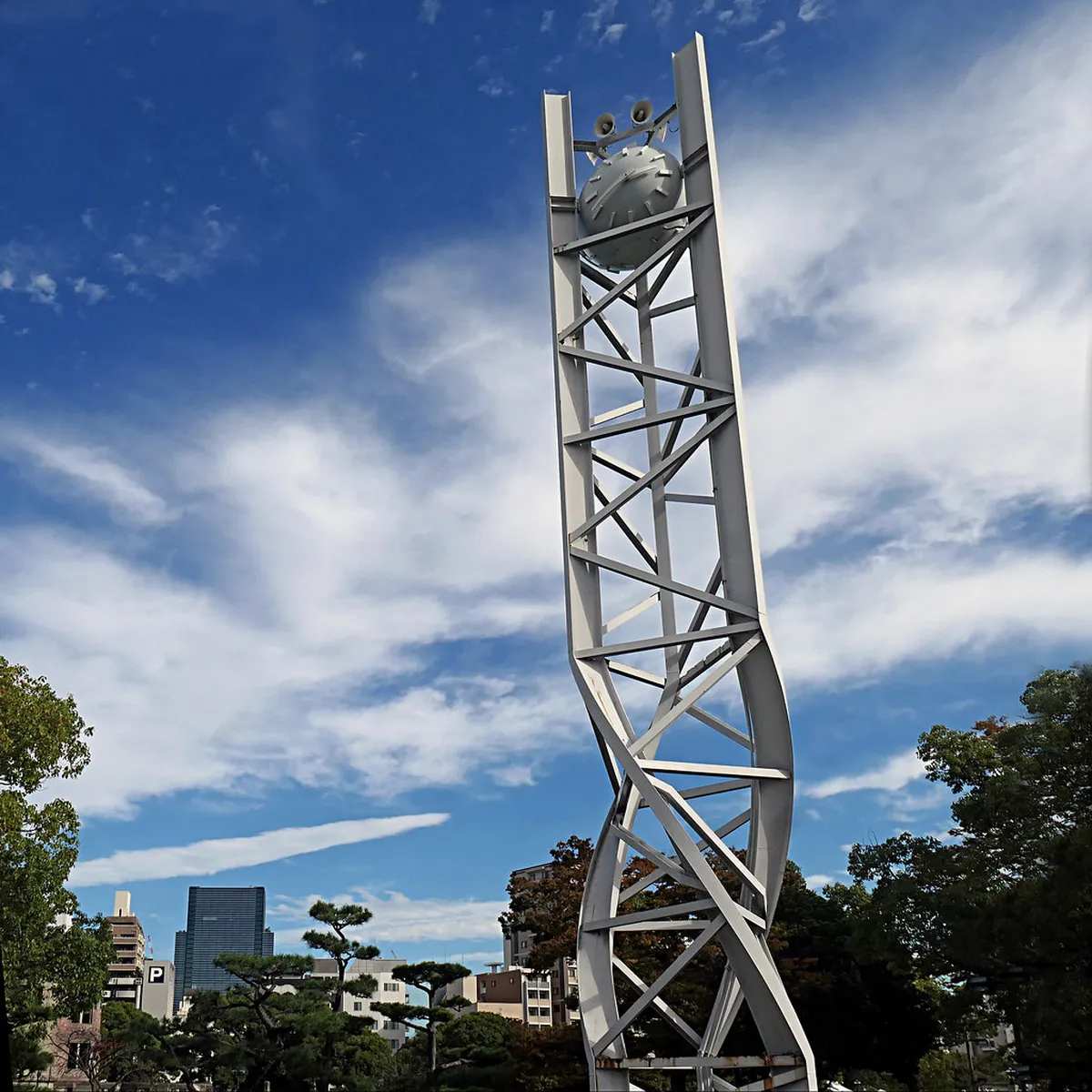
The Hiroshima Peace Memorial Park is a poignant tribute to the victims of the atomic bombing and a symbol of hope for world peace. Walking through the park, you encounter several moving memorials, including the iconic Cenotaph for the Victims of the Atomic Bomb, the Children’s Peace Monument, and the Peace Flame, which has burned continuously since 1964 and will be extinguished only when the last nuclear weapon is destroyed.
The Hiroshima Peace Memorial Museum at the south end of the park reopened with redesigned permanent exhibits and remains the single most affecting space in the city. Allocate at least 90 minutes; arrive at opening (8:30) or after 16:00 to avoid the heaviest school-group crowds. Admission is 200 yen for adults — one of the best value cultural experiences in Japan. Experiencing the park is crucial for grasping Hiroshima’s history and its commitment to preventing future tragedies.
Arrive at the Peace Memorial Museum at opening (8:30) or after 16:00 to avoid school-group crowds. The audio guide costs 400 yen and is worth the addition — the 2019 redesign relies heavily on it to give voice to personal artifacts.
Visit the Atomic Bomb Dome: A Symbol of Resilience
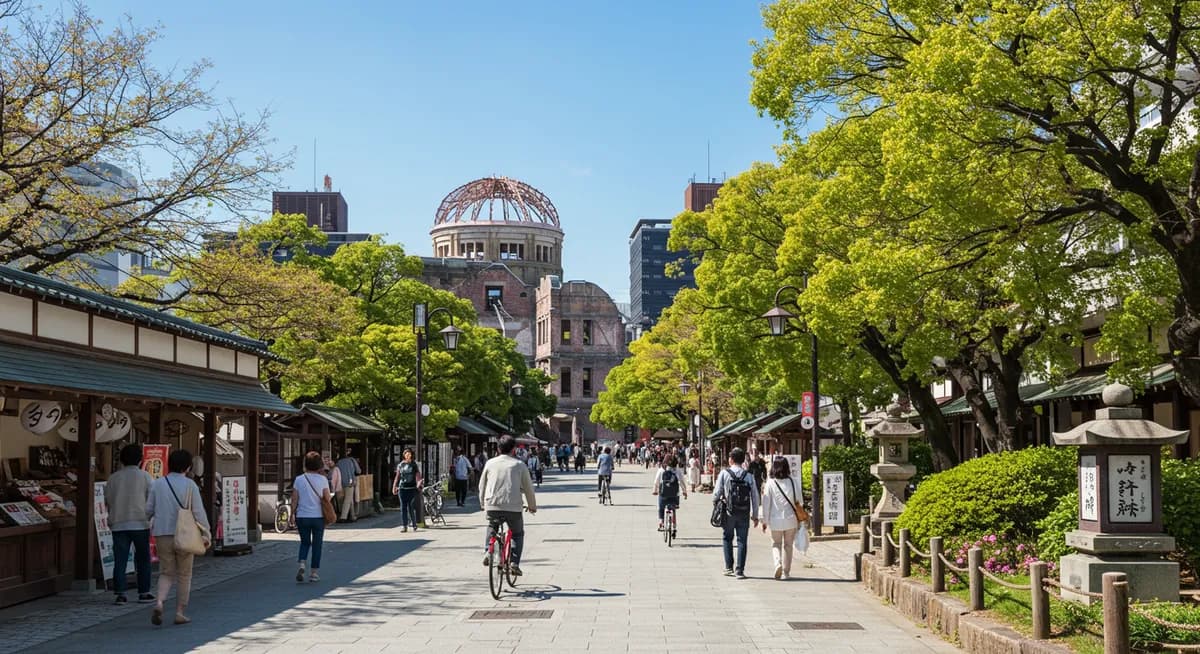
The Atomic Bomb Dome, or Genbaku Dome, stands as a stark reminder of the bombing on 6 August 1945. Preserved as a memorial, it is one of the most poignant Hiroshima highlights. Once the Hiroshima Prefectural Industrial Promotion Hall, the skeletal remains of this building serve as a powerful symbol of resilience and a call for peace. The dome is across the Motoyasu River from the Peace Park — cross the Aioi Bridge (the original target on the morning of the bombing) for the proper approach.
The site is viewable 24 hours a day from the surrounding paths and is dramatically lit at night. Photographers should aim for the hour just after sunrise when the river reflects the structure with no crowds in frame. For deeper context, consider a historical landmarks tour led by a survivor descendant or licensed guide — many depart from the Rest House on the south side of the park.
Cross to Miyajima Island
Miyajima Island, a short ferry ride from Hiroshima, offers a tranquil escape and is renowned for its breathtaking natural beauty and historical significance. As you approach the island, you’re greeted by stunning vistas of mountains and sea. This island is one of the most amazing Hiroshima attractions. The island is home to ancient temples, lush forests, and friendly deer roaming freely.
Reach Miyajima by taking the JR Sanyo line to Miyajimaguchi station (25 minutes from Hiroshima station, covered by the JR Pass) then the JR ferry across (10 minutes, also pass-eligible). The Matsudai ferry runs the same route at the same price if you don’t hold a pass. Many travellers enjoy learning more about Hiroshima culture during their trip. If you want a tighter plan that combines both destinations efficiently, this Hiroshima and Miyajima 1 day itinerary is a useful companion guide.
Since October 2023, every adult ferry passenger to Miyajima pays an additional 100 yen Itsukushima Visitor Tax on top of the 200 yen ferry fare. Budget for both when planning a Miyajima day.
Time the Floating Torii Gate of Itsukushima Shrine
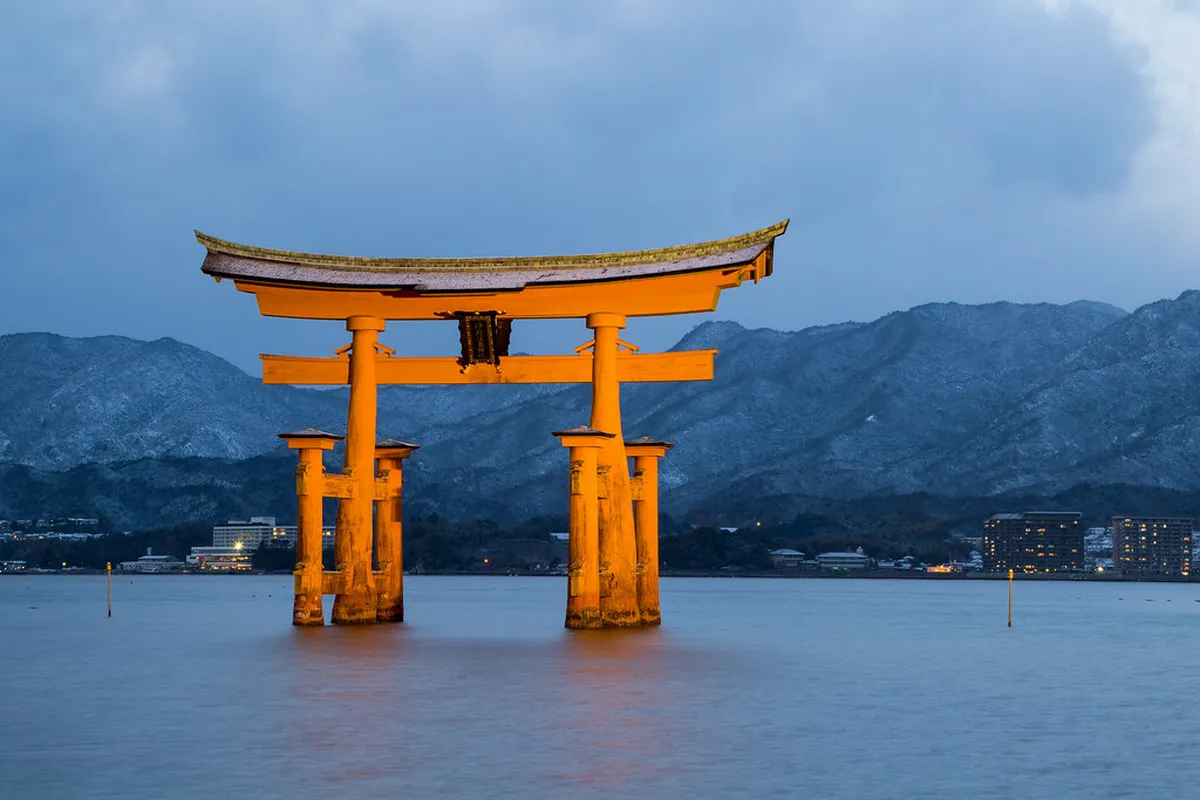
No trip to Hiroshima is complete without witnessing the iconic floating Torii gate of Itsukushima Shrine on Miyajima Island. The gate completed its multi-year restoration in late 2022 and is again fully visible in its vermillion glory. At high tide, it appears to float serenely on the water; at low tide, you can walk right up to its 16-tonne base and touch the cypress pillars.
The trick most guides skip: both views are worth seeing, and you can usually catch them in a single visit if you plan around the tide table. Tide swings on Miyajima are about six hours apart, so arrive at low tide for the close-up walk-under, then wander the shrine and Daisho-in temple, and return as the water rises. Tide tables are posted at the ferry terminal and on the Miyajima tourism site — check before you book your ferry. Sunset high tide is the photographer’s prize. To truly appreciate this wonder, consider a guided tour that delves into the shrine’s history, and pair it with the various things to do in Hiroshima centered around Miyajima.
| Attraction | Adult Entry | Hours (typical) |
|---|---|---|
| Peace Memorial Museum | 200 yen | 8:30–18:00 |
| Hiroshima Castle keep | 370 yen | 9:00–18:00 |
| Shukkei-en Garden | 260 yen | 9:00–18:00 |
| Itsukushima Shrine (Miyajima) | 300 yen + 100 yen visitor tax | 6:30–18:00 |
| Hiroshima Orizuru Tower | 2,200 yen | 10:00–21:00 |
| Atomic Bomb Dome (exterior) | Free | 24 hours |
Tour Hiroshima Castle and the Reconstruction Story
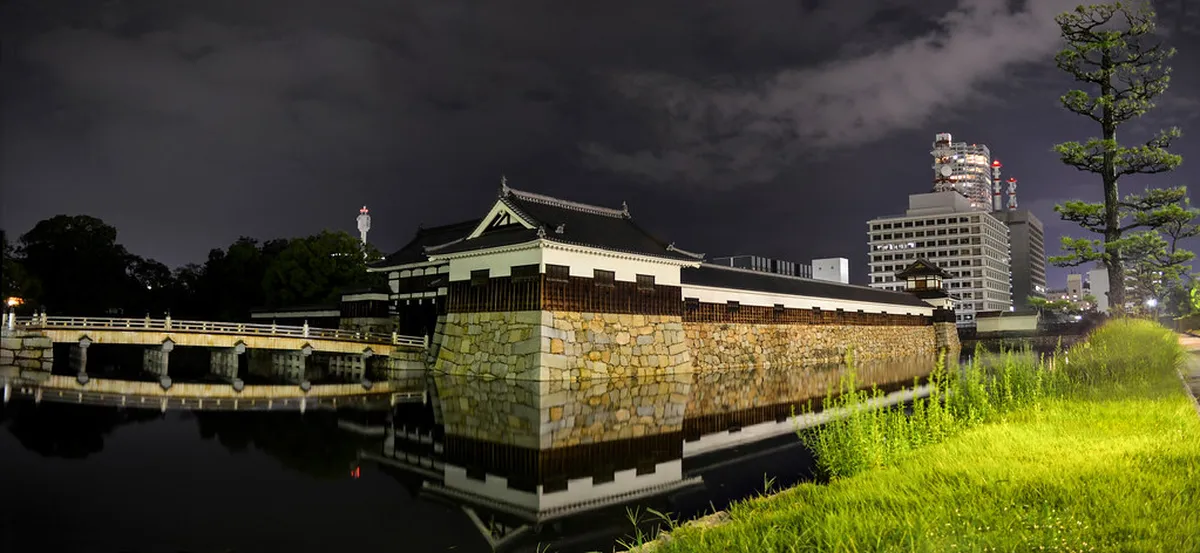
Hiroshima Castle, also called Carp Castle, was originally built in 1589 and obliterated by the atomic blast. The current five-storey keep is a 1958 reconstruction housing a museum on samurai-era Hiroshima and the city’s feudal history. The exterior is the photogenic part — black-lacquered timber against white plaster, surrounded by a moat and a small surviving stand of original castle-grounds trees that somehow survived 1945.
Admission to the keep is 370 yen and the grounds are free. Combine the castle with a 10-minute walk to Shukkei-en Garden, designed in 1620 in the miniaturised landscape style. Shukkei-en is a 260-yen ticket and provides the most peaceful 45 minutes you’ll spend in the city — tea-house pavilions over koi ponds, a small mountain, and a bridge that frames the garden in the classic Edo composition.
Ascend the Hiroshima Orizuru Tower for Panoramic Views
For breathtaking views, make your way to the Hiroshima Orizuru Tower, directly across from the A-Bomb Dome. This modern structure offers a unique perspective on the city, blending remembrance with hope. As you ascend to the open-air observation deck on the 13th floor, you’re treated to panoramic vistas that stretch across the Peace Memorial Park and toward the Seto Inland Sea, with Miyajima visible on a clear day.
The tower’s signature interaction is folding paper cranes (orizuru), a symbol of peace, then dropping your folded crane down a glass-walled chute into a growing wall of cranes visible from the lobby. Tickets are 2,200 yen and the experience takes about an hour. For more travel tips, check out local attractions. It’s truly one of the unmissable Hiroshima highlights for sunset, when the bombed-out dome below catches the last light.
Savor Local Flavors: Hiroshima’s Culinary Scene
No visit to Hiroshima is complete without indulging in its distinctive culinary offerings. Hiroshima-style okonomiyaki is a savoury layered pancake — batter, cabbage, bean sprouts, pork belly, fried noodles, and egg, stacked rather than mixed. This differs significantly from the Osaka version, which folds everything into a single batter. Okonomimura, a building near Hondori with 24 small okonomiyaki stalls across three floors, is the easiest place to compare styles in one sitting.
Be sure to sample fresh oysters from Hiroshima Bay, which produces around 60% of Japan’s farmed oysters. November to February is peak season; ask for them grilled (yaki-gaki) at any izakaya in Nagarekawa. For a more immersive experience, consider joining a local food tour to uncover hidden culinary gems. Be adventurous and discover why the Hiroshima culinary scene is one of the top things to do in Hiroshima. Pair your meal with local sake from the Saijo brewery district, a 30-minute train ride east.
Use the Hiroden Streetcar Day Pass to Beat Transit Costs
This is the practical hack most Hiroshima guides skip: the Hiroden streetcar (Hiroshima Electric Railway) is the most efficient way to move between the Shinkansen station, the Peace Park, Hiroshima Castle, Shukkei-en, and Miyajimaguchi. A single ride costs 240 yen city-centre or 280 yen to Miyajimaguchi, but a 1-day Hiroden Streetcar & Ferry Pass for 1,000 yen covers unlimited rides plus the JR-alternative ferry to Miyajima.
If you’re not on a JR Pass, this combination ticket beats every other option for a one-day Miyajima trip. Buy it at the Hiroden ticket window inside Hiroshima station’s south exit or at the Miyajimaguchi ferry pier. The streetcars themselves are part of the experience — line 2 still runs vintage cars from Kyoto and Osaka that survived the war and were transferred here in the 1950s. They are some of the oldest operating trams on earth and you ride them for the same 240 yen as the modern fleet.
Escape to Okunoshima: The Rabbit Island Adventure
For a uniquely Japanese day trip, take the train east to Tadanoumi and ferry across to Okunoshima, affectionately known as Rabbit Island. The small island is populated by hundreds of friendly, free-roaming rabbits, the descendants of test animals released after the island’s WWII chemical weapons facility closed in 1945. Bring rabbit pellets (sold at Tadanoumi station, not the island) — do not feed them human snacks.
The island is small enough to circle on foot in 90 minutes. Beyond the rabbits, visit the Poison Gas Museum to understand the island’s sober history, or relax at the lone beachfront resort. For those seeking unique Hiroshima adventures, this is an unforgettable stop. The full round trip from Hiroshima takes 4 to 5 hours, so plan it as a half-day with an early start. After your visit, you might check out other Hiroshima attractions on the way back. This is certainly one of the more memorable things to do in Hiroshima.
Best Time to Visit Hiroshima
Hiroshima’s climate is warmer than Tokyo and Kyoto thanks to its sheltered Inland Sea position. Cherry blossom typically peaks late March to early April; Hiroshima Castle’s moat and Peace Park’s riverbanks are the prime hanami spots. November brings reliable autumn colour to Miyajima’s Momijidani Park — the maple valley behind Itsukushima Shrine is arguably more dramatic than Kyoto for fewer crowds.
Avoid 6 August unless you specifically want to attend the Peace Memorial Ceremony — hotel rates triple and the Peace Park is closed to general visitors that morning. Summer (July-August) is humid; winter (December-February) is mild but oyster season, the best culinary window of the year. Spring and autumn are the safest bets for sightseeing weather.
Attend a Traditional Festival
To truly experience the essence of Hiroshima, consider timing your trip to a traditional festival. The Hiroshima Flower Festival, held annually 3-5 May, transforms the central streets into a colourful spectacle with elaborate floral floats and lively performances drawing roughly 1.5 million visitors. The Toka-san Yukata Festival in early June marks the start of yukata season — locals wear summer kimono through the city for three evenings. Miyajima’s Kangensai music festival (mid-July) features sacred court music performed on boats around the floating Torii.
Attending these events offers a chance to engage with locals and witness the traditions that shape regional identity. Check listings during your visit and plan your trip accordingly. Discover more cultural experiences to enrich your journey, and consider Hiroshima adventures like a sunset cycling tour through Naka Ward to round out the day.
Exploring Hiroshima’s highlights offers a profound and enriching experience, blending historical reflection with vibrant cultural discoveries. From the solemn Peace Memorial Park to the serene beauty of Miyajima Island, Hiroshima rewards travellers who give it more than a single day, plan around the tides, and ride the streetcars. Start planning your unforgettable journey through Hiroshima today!
Free: The Hiroshima Essentials guide
Top things to do, where to stay, a perfect day plan, getting around, and the best time to go — a Hiroshima mini-guide you can take offline.
You might also like


Continue reading
More guides you'll find useful