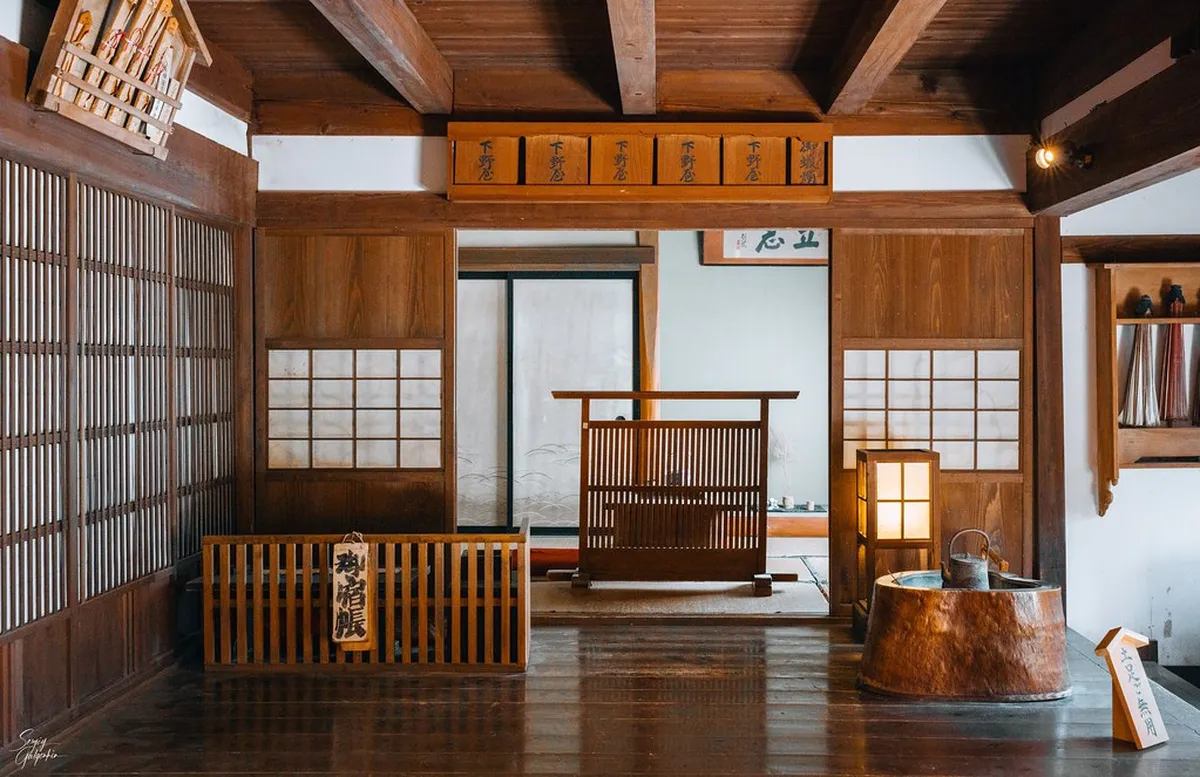
Nikko Attractions: 20 Must-See Sights & Things to Do (2026 Guide)
The complete 2026 guide to Nikko attractions. UNESCO Toshogu Shrine, Kegon Falls, Lake Chuzenji, hiking trails, hot springs, and how to plan a day trip from Tokyo.
On this page
TL;DR — Nikko in 2026: Nikko, 125 km north of Tokyo in Tochigi Prefecture, packs three UNESCO World Heritage shrines (Toshogu, Futarasan, Rinnoji), a 97-meter waterfall (Kegon Falls), an alpine lake (Chuzenji), and a national park into a single destination. Plan two days to see it properly; one day covers only the shrines. Best months are mid-October to early November for autumn foliage. The Tobu Nikko Line from Asakusa is the cheapest route (~2 hr 30 min, ¥2,860 round trip with Nikko Pass).
Nikko sits 125 kilometers north of Tokyo where the Kanto Plain meets the volcanic peaks of Tochigi Prefecture. The town has been a sacred site since the 8th century, and its UNESCO-listed shrine complex draws roughly 12 million visitors a year. Beyond the shrines, the surrounding Nikko National Park covers 1,150 square kilometers of forests, lakes, marshlands, and waterfalls — including Kegon Falls, one of the country's three most famous cascades.
This guide covers the top 20 attractions worth your time in 2026, grouped by area so you can plan a coherent route rather than chasing scattered stops. Each entry lists what makes it worth visiting, how to get there, and (where relevant) 2026 admission prices and hours. For the full trip-planning picture, see our Nikko itinerary guide, the 2-day Nikko itinerary, the 3-day Nikko itinerary, and the Best Time to Visit Nikko: Seasonal Guide & Weather Tips for seasonal timing.
Plan Your Visit to Nikko
Before diving into the attractions list, get the trip-planning basics locked in. These four decisions — when, how, where to sleep, and how long — make or break a Nikko trip more than the order in which you see the shrines.
- When to go: mid-October to early November is the single best window for autumn foliage; mid-May after Golden Week is the second choice. Full month-by-month breakdown in the Best Time to Visit Nikko: Seasonal Guide & Weather Tips guide, with a separate deep-dive on the koyo (autumn leaves) peak in our Nikko Fall Foliage When To See: 10 Essential Tips & Spots.
- How to get there: the Tobu Nikko Line from Asakusa is the cheapest and most popular route — 1 hour 50 minutes on the Limited Express SPACIA. JR Pass holders take Tohoku Shinkansen to Utsunomiya then transfer. Full price comparison and pass advice in How To Get To Nikko From Tokyo: 10 Essential Travel Tips.
- Where to stay: central Nikko near Tobu Nikko Station is best for first-time visitors and shrine-focused trips; Yumoto Onsen or Kinugawa Onsen for hot-spring stays; Lake Chuzenji for waterfall sunrise access. Full neighborhood breakdown in Where to Stay in Nikko: 6 Best Areas and Lodging Guide.
- How long to stay: one day for the UNESCO shrines only (see our Nikko Day Trip From Tokyo: The Ultimate 1-Day Itinerary guide), two days to add Lake Chuzenji and Kegon Falls (see our 2-day Nikko itinerary), three days to add Senjogahara hiking and a ryokan slowdown (see our 3-day Nikko itinerary).
Free: The Nikko Essentials guide
Top things to do, where to stay, a perfect day plan, getting around, and the best time to go — a Nikko mini-guide you can take offline.
What Is Nikko Famous For?
Nikko is famous for its UNESCO World Heritage Site "Shrines and Temples of Nikko," registered in 1999. The complex contains 103 buildings across three sacred grounds — Toshogu Shrine (mausoleum of Tokugawa Ieyasu), Futarasan Shrine, and Rinnoji Temple. The town is equally known for Nikko National Park, Kegon Falls, autumn foliage from mid-October, and the cedar-lined approach roads first planted in the 1640s.
Quick facts about Nikko (2026)
- Location: Tochigi Prefecture, 125 km north of Tokyo
- Elevation: 535 m (town) to 1,269 m (Lake Chuzenji)
- UNESCO listing: 1999 — 103 buildings across 3 shrines/temples
- Annual visitors: ~12 million
- Best months: Mid-October to early November (autumn), late April to mid-May (spring)
- Worst months: January to February (icy roads to Lake Chuzenji)
| Attraction | Admission (2026) | Hours | Time Needed |
|---|---|---|---|
| Toshogu Shrine | ¥1,300 (combo) | 8:00–17:00 Apr–Oct; 8:00–16:00 Nov–Mar | 90 min |
| Futarasan Shrine | Free / ¥200 inner garden | 8:00–17:00 | 30 min |
| Rinnoji Temple | ¥400 + ¥300 garden | 8:00–17:00 Apr–Oct | 45 min |
| Taiyuinbyo | ¥550 | 8:00–17:00 | 30 min |
| Kegon Falls elevator | ¥570 | 8:00–17:00 May–Nov | 30 min |
| Tamozawa Imperial Villa | ¥600 | 9:00–17:00 (closed Tue) | 90 min |
The Three UNESCO World Heritage Sites
Nikko's three UNESCO sites cluster within a 15-minute walk of each other on the slopes above the Daiya River. A combined ticket sold at the entrance covers Toshogu, Futarasan, and Rinnoji's main hall for ¥1,650 in 2026 — the only ticket most visitors need.
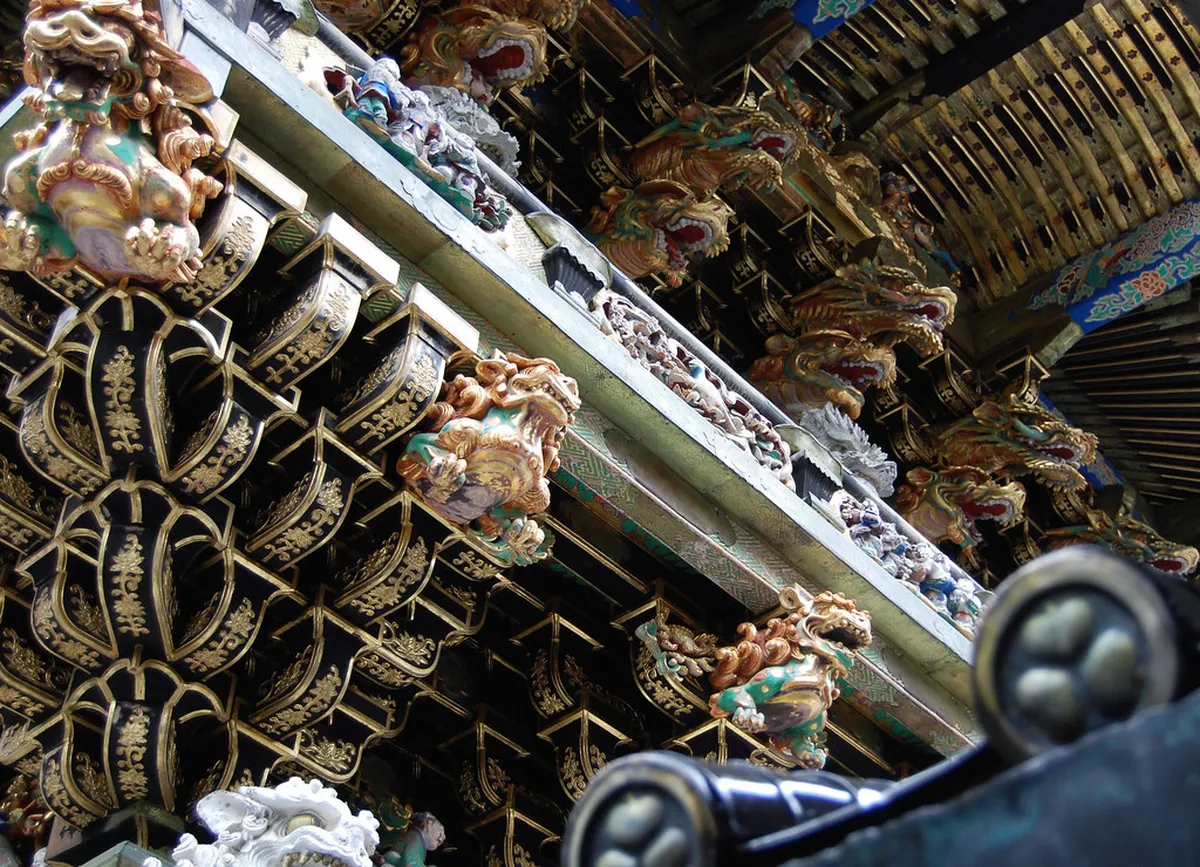
1. Toshogu Shrine — the centerpiece of any visit
Toshogu Shrine is the mausoleum of Tokugawa Ieyasu, the warlord who unified Japan in 1603 and founded the Tokugawa shogunate. The current buildings were rebuilt in 1636 by his grandson, Iemitsu, and the lacquer, gold leaf, and 5,000-plus carvings make it the most ornate Shinto shrine in Japan. It is also where you'll find the famous "see no evil, hear no evil, speak no evil" three monkeys carving and the Sleeping Cat (Nemuri-Neko) by sculptor Hidari Jingoro.
Arrive at Toshogu by 08:45 to beat tour buses, which typically arrive around 10:00. The Sleeping Cat carving and the 207-step climb to Ieyasu's tomb are inside a separate passage — do not rush past the Sacred Stable looking for them.
2026 details: Open 8:00 AM to 5:00 PM April–October, 8:00 AM to 4:00 PM November–March. Admission ¥1,300 (combined ticket includes Futarasan and Rinnoji main hall). Allow 90 minutes minimum. Skip the gift shop near the gate — better selection in town. For a deeper guide with photo spots, ritual etiquette, and the best entry timing, see our Nikko Toshogu Shrine Guide: 7 Essential Highlights and Tips.
What to look for: the Yomeimon Gate (the "sunset gate," named for the fact that you could stand and admire it from morning to dusk), the carved Imagined Elephants by an artist who had never seen a real elephant, the screaming dragon ceiling painting in the Honjido Hall (clap your hands beneath it for the resonance trick), and the steep 207-step Okumiya staircase leading to Ieyasu's actual tomb — the only quiet spot in the complex.
2. Futarasan Shrine — the older, quieter neighbor
Futarasan Shrine was founded in 767 AD by the priest Shodo Shonin — almost 900 years before Toshogu. It is dedicated to the three deities of Nikko's sacred mountains: Mount Nantai, Mount Nyoho, and Mount Taro. The architecture is more restrained than Toshogu's, with cedar pillars and copper roofing rather than gold leaf, but the moss-covered grounds and 1,200-year-old cedar tree near the main hall give it a quieter, older atmosphere.
2026 details: Open 8:00 AM to 5:00 PM. Free to enter the main grounds; ¥200 for the inner garden. Allow 30 minutes.
3. Rinnoji Temple — the Three Buddhas Hall
Rinnoji is Nikko's most important Buddhist temple, founded by Shodo Shonin in 766. The main attraction is the Sanbutsudo (Three Buddhas Hall), home to three 8-meter golden statues representing the Buddhist forms of Nikko's three sacred mountains. Following a 12-year restoration completed in 2020, the hall is back to full visibility. The Shoyoen garden behind the temple is one of the best small Japanese gardens in Tochigi Prefecture.
2026 details: Open 8:00 AM to 5:00 PM (April–October), 8:00 AM to 4:00 PM (November–March). Admission ¥400 for the Sanbutsudo, ¥300 extra for Shoyoen Garden. Allow 45 minutes.
4. Taiyuinbyo — Iemitsu's quieter mausoleum
Taiyuinbyo is the mausoleum of Tokugawa Iemitsu, the third Tokugawa shogun and the man who actually rebuilt Toshogu in 1636. Iemitsu deliberately had his own mausoleum built smaller than his grandfather's out of respect, but the workmanship is arguably more refined. The Nitenmon Gate, with its red guardian statues, is the most photographed feature. Most tour groups skip it, so it stays calm even on peak weekends.
2026 details: Open 8:00 AM to 5:00 PM. Admission ¥550. Allow 30 minutes.
5. Shinkyo Bridge — the iconic red entrance
the Shinkyo Bridge spans the Daiya River at the entrance to Nikko's sacred precinct. The current bridge dates from 1904 (the original was washed away in 1902), but a structure has stood here since at least 1636. The bright vermilion lacquer against the dark cedar forest makes it Nikko's most photographed landmark. Walking across costs ¥300; viewing it from the adjacent road bridge costs nothing and produces the same photo.
Nikko's Waterfalls and Lake Chuzenji
The high country above the town — reached via the 48 hairpin turns of the Irohazaka winding road — holds Nikko's natural attractions. Lake Chuzenji sits at 1,269 meters, formed roughly 20,000 years ago when Mount Nantai erupted and dammed the Daiya River. Below the lake, the river plunges 97 meters to form Kegon Falls. The whole upper area is part of Nikko National Park.
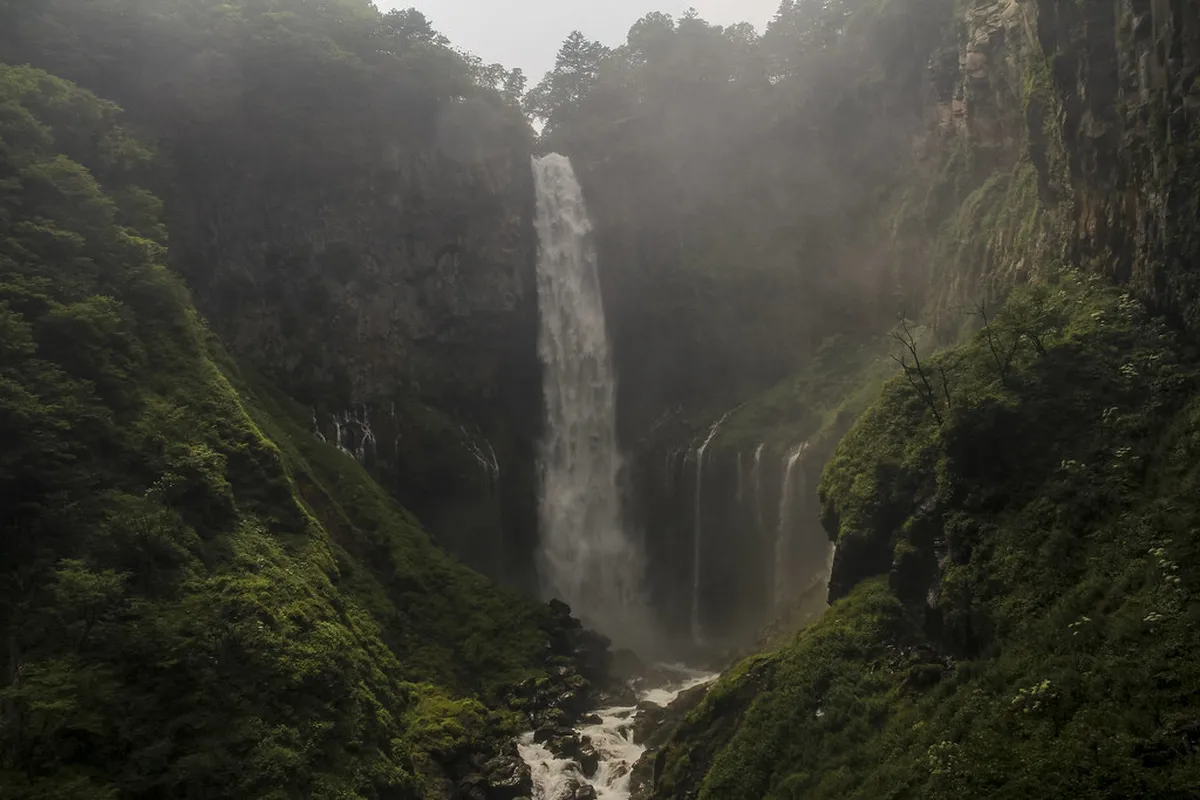
6. Kegon Falls — Japan's most famous waterfall
the Kegon Falls (Kegon-no-taki) is one of Japan's three most celebrated waterfalls, plunging 97 meters from Lake Chuzenji into a basin below. The free upper observation deck gives a panoramic view; for ¥570 the elevator descends 100 meters to a lower platform that puts you level with the base of the falls — a much more dramatic angle, and worth the fare. Peak flow runs after spring snowmelt (April–May) and after summer typhoons. In a hard winter (January–February) the side channels freeze. Our Kegon Falls guide covers timing in more detail.
2026 details: Elevator open 8:00 AM to 5:00 PM May–November, 9:00 AM to 4:30 PM December–April. Adult fare ¥570. The bus from Tobu Nikko Station to Chuzenji Onsen takes 50 minutes; the falls are a 5-minute walk from the bus stop.
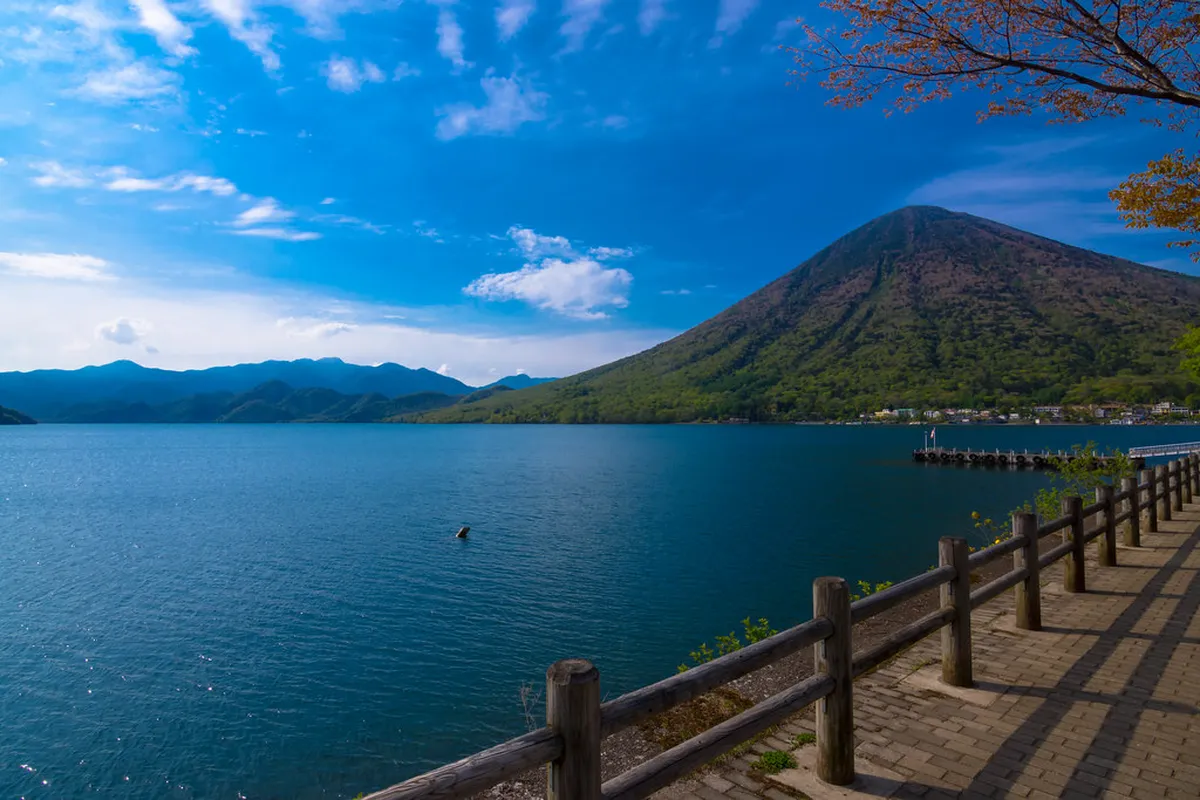
7. Lake Chuzenji — alpine lake at 1,269 meters
the Lake Chuzenji is Japan's highest natural lake, sitting at 1,269 meters in elevation. The shoreline runs 25 kilometers, and from the south shore you face Mount Nantai (2,486 m) directly across the water. Sightseeing boats run April through November (¥1,400 for a 60-minute loop in 2026). The Italian and British embassy memorial villas on the south shore — both restored — give a glimpse of how Western diplomats summered here from the late 1890s onward. The lake stays cold year-round (rarely above 16°C even in August), which is part of what makes the Nikko high country a summer refuge from Tokyo's 35°C heat. See our Lake Chuzenji guide for boat schedules, lakeside walks, and the embassy villa tours.
8. Ryuzu Falls — the Dragon Head Falls
Ryuzu Falls translates as "Dragon Head Falls" because the upper section splits around a rock and rejoins, mimicking a dragon's head and whiskers. It's smaller than Kegon (60 meters total drop) but more accessible — the viewing tea house sits at the base, and you can sip green tea while watching the falls. Peak season is mid-October when the surrounding maples turn red, and crowds match.
9. Kanmangafuchi Abyss — 70 stone Jizo statues
Kanmangafuchi Abyss is a short gorge cut by the Daiya River. A path runs alongside, lined by approximately 70 weather-worn stone Jizo statues (small bodhisattva figures) wearing red knitted bibs. Local legend claims the count differs each time — there are actually 70, though only about 40 have survived clearly. The walk takes 20 minutes round trip from the parking area, and it's one of the few Nikko sights with no admission fee, no crowd, and no formal entrance gate. Go in late afternoon for the best light.
10. Senjogahara Marshland — boardwalk hike
Senjogahara is a 400-hectare highland marsh between Lake Chuzenji and Yumoto Onsen. A wooden boardwalk runs 2.5 km across it (one-way; allow 90 minutes). The marsh is grassland year-round, but the colors shift dramatically — green and wildflowers in summer, golden in late September, and brown-orange in mid-October when the surrounding mountainsides peak in foliage. Buses on the Yumoto line stop at both ends (Akanuma and Senjogahara), so you can walk one direction and ride back. The trail is well-maintained, almost entirely flat, and stroller-friendly in dry weather; spring snowmelt can leave sections muddy through early May. For the full Senjogahara hiking trail map and connecting Ryuzu Falls / Yutaki Falls combo, see our Nikko National Park Travel Guide: Shrines, Nature & Logistics.
11. Irohazaka Winding Road — 48 hairpin turns
Irohazaka is the road that climbs from the town up to Lake Chuzenji. It splits into two one-way roads: the older "down" road has 28 hairpin turns, and the newer "up" road has 20. The 48 turns are each named with a hiragana character (i-ro-ha being the old order of the Japanese syllabary). In mid-October the road is famous for autumn foliage and notorious for traffic — early morning (before 8 AM) is the only way to drive it without queues. Most visitors experience Irohazaka from a Tobu bus seat (no extra fare with the Nikko Pass); rental-car drivers should fill the tank before climbing, because there is no gas station between the lower town and Lake Chuzenji.
12. Mount Nantai — the sacred peak
Mount Nantai (2,486 m) is the volcano that created Lake Chuzenji. It is sacred to Futarasan Shrine, and climbing it is officially permitted only between May 5 and October 25 each year. The trail starts at Chugushi Shrine on the lake's north shore, runs 4 km one way, and gains 1,200 meters of elevation — a 5- to 6-hour round trip. The summit views over Lake Chuzenji and (on clear days) toward Tokyo are the reward.
Cultural and Family Attractions
13. Edo Wonderland Nikko Edomura — Edo-period theme park
Edo Wonderland is a recreated 17th-century Japanese village covering the entire era of the Edo period (1603–1868). Visitors walk among samurai, ninja, geisha, and merchants in costume, with live ninja shows, oiran (courtesan) processions, and audience-participation comedy theater throughout the day. It's particularly good with kids, and a costume rental (¥4,000–7,000) lets you wander as a samurai, ninja, or townsperson for the day. Plan a full half-day minimum. The park sits 8 km east of central Nikko; a free shuttle bus runs from Kinugawa Onsen Station.
2026 details: Open 9:00 AM to 5:00 PM March–November, 9:30 AM to 4:00 PM December–February. Closed Wednesdays in winter. Adult admission ¥5,800.
14. Tamozawa Imperial Villa — Meiji architecture
The Tamozawa Imperial Villa is a 106-room residence that combines Edo, Meiji, and Taisho architectural styles. Originally built in Tokyo in 1872, it was relocated to Nikko in 1899 as a summer retreat for the Imperial family and used until 1947. The fusuma (sliding door paintings), gardens, and quiet rooms are an antidote to Toshogu's intensity. Allow 90 minutes; it's a 15-minute walk from the shrine area.
2026 details: Open 9:00 AM to 5:00 PM (last entry 4:30 PM). Closed Tuesdays. Admission ¥600.
15. Takinoo Shrine — the hidden moss-covered shrine
Takinoo Shrine is a small mountain shrine reached by a 20-minute uphill walk through cedar forest from the back of Toshogu. Almost no tour groups make it here, and the moss-covered stone steps and torii gates make it one of the most photogenic spots in Nikko. The "running stone" (a smooth boulder) is said to grant safe travel if circled three times. Free, no entrance gate, open all hours.
Hot Springs and Onsen Towns
16. Yumoto Onsen — Nikko's high-country hot spring
Yumoto Onsen is the natural hot spring village at the far end of Nikko National Park, 16 km past Lake Chuzenji at an elevation of 1,478 meters. The water comes from sulfur springs near Lake Yunoko and emerges milky-white at around 75°C. Day-use bathing options run ¥800–1,500 per person; ryokan stays start around ¥18,000 per person with two meals. In winter (December–March), the village is genuinely snowbound, and the bathing experience earns its reputation.
17. Kinugawa Onsen — the bigger resort town
Kinugawa Onsen sits 10 km east of Nikko along the Kinugawa River and offers larger ryokan, riverboat rides through the gorge (April–November, ¥3,000), and easier access from Tokyo if your priority is hot springs over shrines. It's also the launch point for Edo Wonderland and the Tobu World Square miniature park. Combine it with Nikko on a 2- or 3-day trip rather than choosing one or the other.
18. Hangetsuyama Observation Deck
The Hangetsuyama Observation Deck sits on a peak above Lake Chuzenji's south shore. The road to the parking lot opens late April through mid-November (closed in winter). From the deck, you get a 270-degree view across Lake Chuzenji, Mount Nantai, Senjogahara, and on clear days as far as the Tokyo Skytree. Best in mid-October at peak foliage; clear morning hours give the best photographs.
Lesser-Known Spots Worth Adding
19. Chuzenji Temple (Tachiki Kannon)
Founded in 784 AD by Shodo Shonin (the same priest who founded Rinnoji), Chuzenji Temple sits on Lake Chuzenji's eastern shore. The main hall houses a 6-meter standing Kannon statue carved from a single living tree — hence the name "Tachiki" (standing tree) Kannon. It's a 15-minute walk from the Chuzenji Onsen bus stop and visited by maybe 5% of the Toshogu crowd.
2026 details: Open 8:00 AM to 5:00 PM April–October, 8:30 AM to 4:00 PM November–March. Admission ¥500.
20. Nikko Botanical Garden
Operated by the University of Tokyo since 1902, this 10-hectare alpine garden holds about 2,200 plant species native to mountain Japan. It is open mid-April to mid-November only (snowed in the rest of the year). Quiet, never crowded, and a good cool-down stop after Toshogu. Admission ¥500.
21. Akechidaira Ropeway — panoramic plateau above Irohazaka
The Akechidaira Ropeway runs a 3-minute aerial cable car from the top of the Irohazaka winding road to the Akechidaira Plateau observation deck (1,373 m). From the deck, you get a single-frame view that captures Lake Chuzenji, the 97-meter drop of Kegon Falls, and Mount Nantai together — the only spot in Nikko where all three appear in one shot. It is the photographer's stop on the way up to the lake; mid-October mornings are the standout window for autumn foliage.
2026 details: Open 9:00 AM to 4:00 PM (last ride up 3:30 PM). Round-trip fare ¥1,000 adult, ¥500 child. Closed late December through late March in heavy snow years. Bus stop "Akechidaira" on the Tobu Lake Chuzenji line.
Festivals and Annual Events Calendar (2026)
Nikko's calendar is anchored by Tokugawa-era shrine processions in spring and autumn, alpine fireworks in summer, and illuminations in winter. Most festivals are free to watch; arrive 30–60 minutes early on peak weekends. Exact dates shift slightly year to year — confirm with Nikko Tourism before you travel.
- Toshogu Shrine Spring Festival (May 17–18) — A 1,000-warrior procession in samurai armor reenacts the transfer of Ieyasu's remains from Shizuoka to Nikko. The biggest single event of Nikko's year.
- Yabusame Horseback Archery (May 17, paired with the Spring Festival) — Mounted archers in Kamakura-period costume fire arrows at wooden targets at full gallop along the Toshogu approach road.
- Futarasan Shrine Festival (mid-April) — Sacred portable shrines (mikoshi) are carried from Futarasan down to the Daiya River with ritual music and dance.
- Lake Chuzenji Summer Fireworks (early August) — A 90-minute summer fireworks display over the lake, with reflections doubling the effect against Mount Nantai.
- Nikko Autumn Leaves Festival (mid- to late October) — Walking tours, local food stalls, and special evening illuminations along the Irohazaka road and Lake Chuzenji shore.
- Shoyoen Garden Autumn Illumination (early November) — The Rinnoji garden is lit at night for roughly two weeks, with illuminated maples reflected on its central pond.
- Toshogu Autumn Festival (October 16–17) — A scaled-down version of the spring procession with the same warrior costumes; far smaller crowds.
- Winter Lights at Edo Wonderland (early December through late February) — The Edo-period theme park runs an after-dark light show, ninja performances under illumination, and seasonal food stalls.
How to Get to Nikko From Tokyo
The cheapest and most popular route is the Tobu Nikko Line from Asakusa Station. Limited Express SPACIA trains run direct in 1 hour 50 minutes (¥3,050 one way in 2026); local rapid trains take 2 hours 5 minutes for ¥1,390. The all-area Nikko Pass costs ¥4,780 for 2 days (or ¥6,140 for the wider 4-day pass) and includes round-trip rail plus all local Tobu buses including the Lake Chuzenji and Yumoto routes. JR Pass holders can take the Tohoku Shinkansen to Utsunomiya then transfer to the JR Nikko Line — slower but free with the pass. Full breakdown with timetables, fares, and pass-vs-no-pass math in our How To Get To Nikko From Tokyo: 10 Essential Travel Tips guide. For a one-day plan, see the dedicated Nikko Day Trip From Tokyo: The Ultimate 1-Day Itinerary walkthrough.
How Long Should You Spend in Nikko?
One day is enough for the UNESCO shrine area only — Toshogu, Futarasan, Rinnoji, Taiyuinbyo, and Shinkyo Bridge — if you start early from Tokyo. Two days lets you add Lake Chuzenji, Kegon Falls, and either Edo Wonderland or Yumoto Onsen. Three days adds Senjogahara hiking and time to slow down at a ryokan. Most visitors regret only doing one day; the shrines deserve unhurried time. Pick the plan that fits your timeline:
- One day: see the Nikko Day Trip From Tokyo: The Ultimate 1-Day Itinerary guide for a shrine-only loop with realistic timing from Asakusa.
- Two days: the 2-day Nikko itinerary adds Lake Chuzenji and Kegon Falls on Day 2, with an overnight in central Nikko.
- Three days: the 3-day Nikko itinerary adds Senjogahara hiking, Yumoto Onsen, and slower ryokan time.
- Flexible / hub view: our master Nikko Itinerary: 1-Day, 2-Day & 3-Day Plans compares all three plans side by side so you can mix days.
Best Time to Visit Nikko
Avoid Golden Week (April 29–May 5), Obon (mid-August), and autumn peak weekends. Toshogu can see entry queues exceeding 90 minutes on October Saturdays. Weekday visits in mid-October cut wait times significantly.
Mid-October to early November is the single best window — the upper park's autumn foliage peaks around October 15–25, and the shrines look better against red maples than against summer green. May (after Golden Week) is the second choice: cherry blossoms on the lower mountains in late April, fresh greenery in May, and the climbing season for Mount Nantai opens May 5. Avoid Golden Week itself (April 29 to May 5), Obon (mid-August), and the autumn peak weekends if you can — Toshogu can hit 2-hour entry queues on October Saturdays. For a month-by-month breakdown of weather, crowds, and prices see our Best Time to Visit Nikko: Seasonal Guide & Weather Tips guide, and for a dedicated autumn-leaves planner see our Nikko Fall Foliage When To See: 10 Essential Tips & Spots.
Nikko On a Budget vs. Splurge (2026)
Nikko is one of the cheaper Tokyo day-trip destinations if you stick to the shrines, and one of the more expensive 2-day trips if you stay at a Yumoto ryokan. Budget benchmarks for 2026:
- Day-trip budget (¥9,000–11,000 per person): 2-day Nikko Pass ¥4,780, UNESCO combined ticket ¥1,650, Kegon Falls elevator ¥570, two convenience-store meals ¥1,800, one cafe coffee ¥700.
- 2-day mid-range (¥28,000–40,000 per person): add a ¥12,000–18,000 business-hotel night in central Nikko, one ryokan-style dinner (¥4,000), and the Lake Chuzenji sightseeing boat (¥1,400).
- 2-day splurge (¥45,000–70,000 per person): Yumoto Onsen ryokan with two meals (¥22,000–30,000 per person), the Akechidaira ropeway (¥1,000), and a guided Senjogahara hike (¥6,000).
What to Pack for Nikko
Nikko's elevation makes the upper park 8–12°C colder than Tokyo in any season. Pack accordingly:
- Spring / autumn (April–May, October–November): light puffer or fleece for the high country, even when Tokyo is in shirtsleeves; rain shell (Senjogahara is exposed).
- Summer (June–September): long sleeves for early-morning boat rides on Lake Chuzenji; the lake is rarely above 16°C and the wind off it is cold even in August.
- Winter (December–March): waterproof boots with grip — the cedar-lined approach to Toshogu can be icy; the road to Lake Chuzenji is sometimes closed entirely.
- Year-round: small flashlight or phone torch for the Okumiya path behind Toshogu; the cedar canopy is dim even at midday.
Explore More Nikko Guides
This pillar covers the highlights — for deeper dives on specific topics, use the supporting guides in our Nikko cluster:
Kinugawa Onsen, Ashikaga Flower Park, Utsunomiya gyoza. Best Ryokan in Nikko
Onsen ryokan in Yumoto, Chuzenji, and central Nikko. Free Things to Do in Nikko
Shrine grounds, riverside walks, no-cost viewpoints. Nikko Cherry Blossoms
Late-April sakura spots and bloom timing at altitude. Nikko Hidden Gems
Quiet shrines, backstreets, and off-trail corners. Nikko in Winter
Frozen Kegon Falls, snow scenery, and winter onsen. Nikko Travel Tips
Money, etiquette, packing, walking-friendly advice. Nikko Festivals & Events
Toshogu Grand Festival, Yayoi Matsuri, annual calendar. Tobu Nikko Pass Guide
Which pass to buy and when it actually pays off. Nikko Yuba Food Guide
Where to eat Nikko's signature tofu-skin dishes. Nikko on a Rainy Day
Indoor museums, covered halls, wet-weather plans. Nikko on a Budget
Daily costs, money-saving passes, and cheap eats. Nikko Itinerary (Hub)
Compare 1, 2, and 3-day plans side by side. Nikko Day Trip from Tokyo
One-day shrine-focused plan from Asakusa. 2-Day Nikko Itinerary
Shrines + Lake Chuzenji + Kegon Falls. 3-Day Nikko Itinerary
Add Senjogahara hiking + Yumoto Onsen. How to Get to Nikko
Tobu vs JR, Nikko Pass math, timetables. Where to Stay in Nikko
Central Nikko, Yumoto Onsen, Lake Chuzenji. Best Time to Visit
Month-by-month weather, crowds, prices. Nikko Fall Foliage Guide
Koyo peak window + best viewing spots. Toshogu Shrine Guide
UNESCO complex deep dive, photo spots. Kegon Falls Guide
97-meter falls + elevator timing. Lake Chuzenji Guide
Boat rides, embassy villas, lakeside walks. Nikko National Park
Senjogahara, hiking trails, Oku-Nikko access. Nikko with Kids
Stroller routes, rest stops, family timing. Nikko vs Kamakura
Which day trip from Tokyo if you only have one. Nikko Nightlife
After-dark options in a town that sleeps early.
Nikko Edo Wonderland (Edomura)
Edo period theme park with samurai shows, ninja training, and a working castle — Nikko's top family attraction.
Nikko Hiking TrailsSenjogahara, Lake Yunoko, and altitude-staggered koyo. Nikko Food & Restaurants
Yuba, Tochigi Wagyu, soba — plus Imaichi sake breweries. Nikko Tours
Best small-group day tours and self-guided alternatives. Nikko Travel Guide
First-timer essentials: passes, transit, neighborhoods.
Full guide to Nikko's 103 sacred buildings beyond Toshogu. Japan Travel Guide
Plan your wider trip: itineraries, transport, money & IC cards.
Frequently Asked Questions
How long do you need in Nikko?
Two days is the minimum to see Nikko properly. Day one covers the UNESCO shrine area (Toshogu, Futarasan, Rinnoji, Taiyuinbyo, Shinkyo Bridge — about 6 hours total). Day two covers the high country (Lake Chuzenji, Kegon Falls, optionally Senjogahara or Yumoto Onsen). One day from Tokyo is feasible but covers only the shrines.
Is Nikko worth a day trip from Tokyo?
Yes, if you focus on the UNESCO shrine area and start before 8 AM from Asakusa. The Tobu Limited Express SPACIA reaches Nikko in 1 hour 50 minutes, leaving 6 hours on the ground before the last comfortable train back. You won't reach Lake Chuzenji or Kegon Falls properly on a day trip — those need a second day or a 5 AM start.
What is Nikko famous for?
Nikko is famous for the UNESCO World Heritage "Shrines and Temples of Nikko" — a 103-building complex including Toshogu Shrine, the mausoleum of Tokugawa Ieyasu (1543–1616). It is also known for Nikko National Park, the 97-meter Kegon Falls, Lake Chuzenji, and autumn foliage from mid-October.
When is the best time to visit Nikko?
Mid-October to early November is the best time, with autumn foliage peaking October 15–25 in the high country and slightly later in town. The second-best window is mid-May after Golden Week, when fresh green replaces winter brown and Mount Nantai's climbing season opens. Avoid Golden Week (April 29–May 5) and peak autumn weekends if possible — queues at Toshogu can exceed 90 minutes.
How much does it cost to visit Nikko's main attractions?
Plan around ¥3,500–4,500 per person in 2026 admission fees if you visit everything: combined UNESCO ticket ¥1,650 (Toshogu + Futarasan + Rinnoji main hall), Taiyuinbyo ¥550, Kegon Falls elevator ¥570, Tamozawa Villa ¥600, Chuzenji Temple ¥500. Add ¥4,780 for the 2-day Nikko Pass (rail + buses) from Asakusa. Edo Wonderland (¥5,800) is separately priced.
Is Nikko good with kids?
Yes — Edo Wonderland is a full-day theme park with samurai shows and costume rentals; the Lake Chuzenji boat is short enough not to bore young children; Kegon Falls is dramatic enough to hold attention. The shrine complex involves a lot of walking on stone steps, so plan shorter visits there. Our Nikko With Kids: The Ultimate Family Guide & Itinerary guide covers stroller routes and rest stops.
Can you do Nikko and Kamakura in the same trip?
They are both day-trip destinations from Tokyo but in opposite directions (Nikko 125 km north, Kamakura 50 km south), so you would do them on separate days. They cover different ground — Nikko is mountains and ornate Tokugawa-era shrines; Kamakura is coastal, with Zen temples and the Great Buddha. See our Nikko vs Kamakura comparison for which to pick if you only have time for one.
Where should I stay in Nikko?
For first-time visitors, stay in central Nikko near Tobu Nikko Station — walking distance to the shrine area and best for one-night trips. For onsen, stay in Yumoto Onsen (high country) or Kinugawa Onsen (river gorge). Ryokan in central Nikko run ¥15,000–25,000 per person with meals; budget hotels start around ¥7,000. Our Where to Stay in Nikko: 6 Best Areas and Lodging Guide guide breaks down all neighborhoods.
Heading into Fukushima/Tohoku? Don't miss the samurai castle town of Aizuwakamatsu — the Tsuruga Castle, the Byakkotai story, and the thatched post town of Ouchi-juku.
Free: The Nikko Essentials guide
Top things to do, where to stay, a perfect day plan, getting around, and the best time to go — a Nikko mini-guide you can take offline.
You might also like


Continue reading
More guides you'll find useful