8 Best Insights on the Best Areas to Stay in Nagoya (2026)
The quick version
Discover the best areas to stay in Nagoya. Our guide covers Nagoya Station, Sakae, Fushimi, and Osu with hotel picks for every budget and transit tips.
8 Best Insights on the Best Areas to Stay in Nagoya
Sponsored
After five visits to this industrial powerhouse, I have realized that choosing a base depends entirely on your transit needs. Nagoya often gets overlooked by travelers rushing between Tokyo and Kyoto, yet its distinct districts offer incredible value. Whether you want neon lights or quiet shrines, the right neighborhood changes your entire experience. I recommend asking is Nagoya worth visiting before finalizing your itinerary to see how much time you truly need.
Last refreshed October 2025 after my autumn return visit to ensure all pricing and transit details remain accurate. This guide breaks down the top districts using local insights to help you avoid common tourist mistakes. Finding the Nagoya neighborhoods guide that fits your style is the first step toward a successful trip.
In 2026, the city expects a surge in visitors due to new cultural exhibitions and expanded transit routes. Booking your accommodation at least three months in advance is now essential for the most popular central wards. The following breakdown highlights the unique character of each major area to simplify your decision.
8 Best Insights on the Best Areas to Stay in Nagoya
Sponsored
Selecting the right district involves balancing your desire for convenience with your interest in local culture. Nagoya is a sprawling metropolis, but most visitors will find their ideal home within five or six key wards. The following list provides the top areas based on accessibility, price, and proximity to major attractions.
Each neighborhood serves a different purpose, from the high-speed transit of the station area to the vintage charm of Osu. I have personally stayed in four of these districts to test their walkability and evening atmosphere. Consider your arrival and departure points carefully, as Nagoya's subway system is efficient but can be crowded during rush hour.
For those traveling with families, certain areas offer much more green space and larger room sizes than others. Budget travelers will find that moving just one or two stops away from the main hubs significantly lowers costs. Explore these eight insights to find the perfect match for your 2026 Japan journey.
Nagoya Station Area (Nakamura-ku)
This central transit hub sits in Nakamura-ku and serves as the primary gateway for Shinkansen travelers.
Expect to pay $90–$250 per night for a mid-range room with direct station access.
Most hotels here operate check-in from 3pm and check-out at 11am daily.
Booking a room on the west side often saves money compared to the high-rise towers.
Sakae Shopping District (Naka-ku)
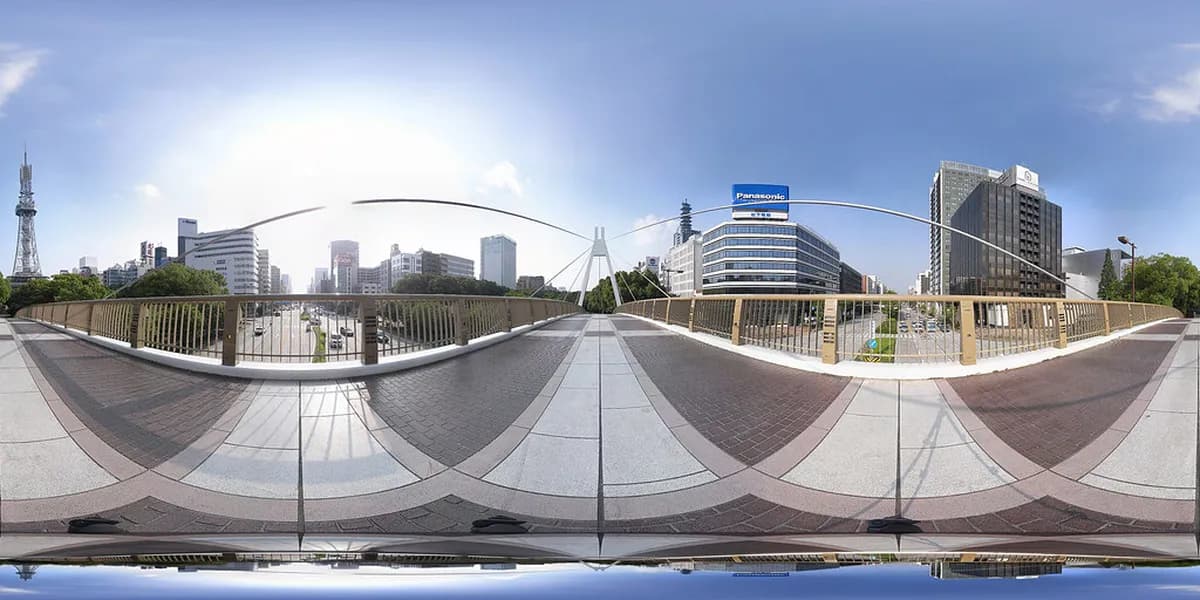
Sakae is the city's neon-lit heart, famous for massive department stores and the iconic Oasis 21 complex.
Mid-range hotels typically cost between $70 and $160 per night depending on the season.
The area stays active until late, making it perfect for
Photo: BONGURI via Flickr (CC) those who enjoy evening dining and bars.
Walk toward the TV Tower at sunset for the best views without paying for an observation deck.
Fushimi Arts District
Located between the station and Sakae, Fushimi offers a sophisticated blend of business hotels and art galleries.
Prices are competitive, often ranging from $65 to $140 for modern, clean business accommodations.
It is the best area for travelers who want a central location without the constant noise of the main hubs.
Visit the local craft beer pubs tucked into the side streets for a quiet local experience.
Osu Kannon District
Osu is a vibrant neighborhood centered around a historic temple and a sprawling covered shopping arcade.
Budget travelers can find guesthouses and older hotels for as little as $40–$80 per night.
The arcade is open daily from 10am to 7pm, though the temple grounds never close.
Look for the giant beckoning cat statue in the plaza as a central meeting point for your group.
Kanayama Transit Hub
Kanayama serves as a vital link between the airport and the city, offering a more residential feel.
Hotel rates are often 20% lower than the station area, typically averaging $60–$110 per night.
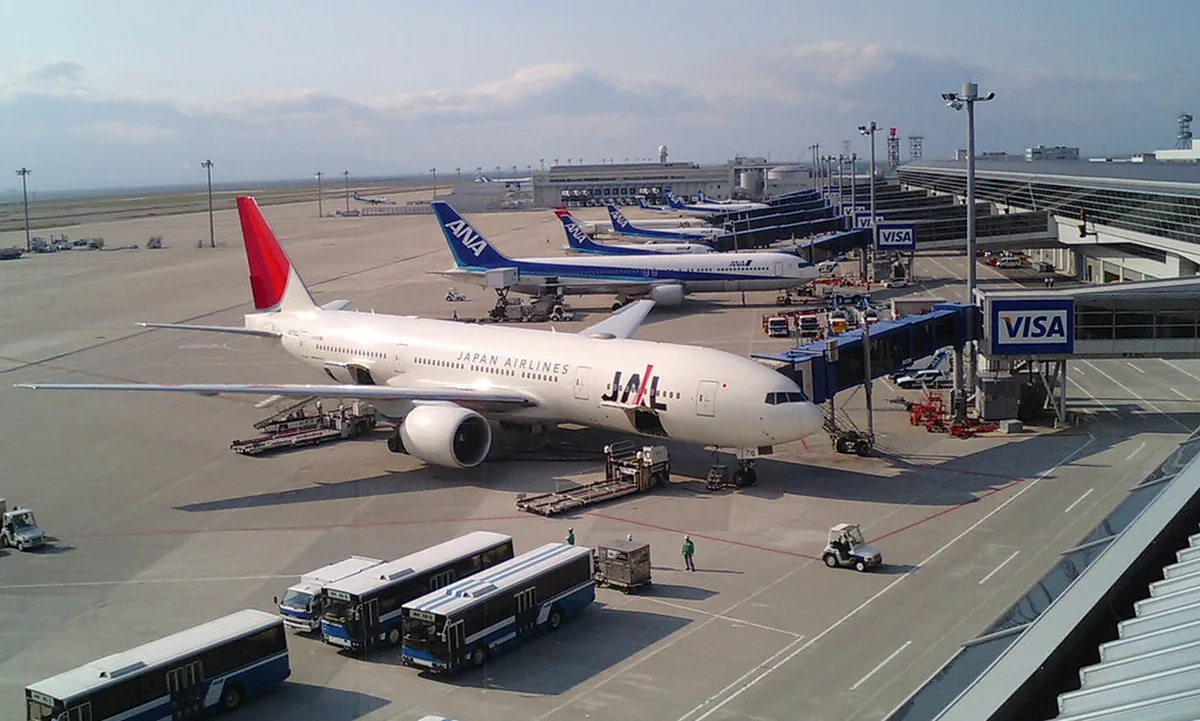
The Meitetsu Line provides a direct 25-minute connection to Chubu Centrair International Airport.
Staying here allows you to visit the Atsuta Shrine early in the morning before the crowds arrive.
Nagoya Port Area
This waterfront district is ideal for families visiting the public aquarium and the maritime museum.
Larger family-style rooms are available for $100–$180 per night near the Meiko Line stations.
The aquarium is open from 9:30am to 5:30pm, with extended hours during the summer holiday season.
Take the subway's purple line for a direct route that avoids the busy central interchanges.
Chigusa and Imaike
These eastern districts offer a deep dive into local life with excellent small-scale restaurants and jazz bars.
Standard business hotels here cost roughly $55–$95 per night and cater mostly to domestic travelers.
The Higashiyama Line connects these areas to the city center in less than fifteen minutes.
Try the local 'Nagoya Meshi' in the small alleys near Imaike Station for authentic flavors.
Higashiyama Park District
Home to the city zoo and botanical gardens, this hilly area is the greenest part of central Nagoya.
Accommodation options are limited to a few upscale hotels and residential rentals starting at $120.
The park gates open at 9am daily, providing a peaceful morning escape from the urban density.
Climb the Sky Tower at dusk to see the city lights stretching toward the mountains.
Nagoya Station Area: Best for First-Timers and Transit
Sponsored
Staying near the Nagoya Station area guide is the most practical choice for those on a tight schedule. The station complex itself is one of the largest in the world, housing department stores and dozens of restaurants. I once spent an entire rainy afternoon exploring the underground malls without ever needing an umbrella. The Nagoya Marriott Associa Hotel sits directly above the tracks, offering unparalleled convenience.
Nakamura-ku serves as the administrative heart of the city and feels very modern and fast-paced. You will find a high concentration of luxury hotels here, but the backstreets also hide affordable capsule options. The Nine Hours Nagoya Station provides a sleek, futuristic experience for solo travelers on a budget. Most major car rental agencies have offices within walking distance of the station exits.
Access to the Tokaido Shinkansen makes this the best base for those taking day trips to nearby Gifu. The JR towers provide excellent views of the city, especially from the 15th-floor Sky Street walkway. Expect heavy crowds during the morning rush between 8am and 9am when commuters flood the gates. I recommend using the Sakura-dori exit for taxi pickups as it is generally less chaotic than the Taiko-dori side.
Sakae: Best for Shopping, Dining, and Nightlife
Sponsored
If you want to be in the middle of the action, the Sakae district guide is your best bet. This is where Nagoya's youth culture and high-end fashion collide under the glow of the TV Tower. The Hilton Nagoya is a staple in this area, located within walking distance of the major department stores. Many visitors prefer this ward because it feels more like a living city than a transit hub.
Oasis 21 is a landmark glass structure that looks like a spaceship and serves as a bus terminal and park. Beneath the surface, you will find an extensive network of shops and cafes that connect to the subway. The nightlife here ranges from high-end cocktail bars to rowdy 'izakayas' serving local chicken wings. Naka-ku is the official name of this ward, and it remains the most densely populated area for entertainment.
Shopping enthusiasts should visit the Mitsukoshi and Matsuzakaya stores for premium Japanese and international brands. The area is also home to the Sunshine Sakae building, which features a Ferris wheel attached to its facade. Prices for food here can vary wildly, so check menus posted outside before committing to a table. I found that the small ramen shops in the Nishiki sub-district offer the best late-night value.
Fushimi: Best for a Central but Quieter Atmosphere
Sponsored
Fushimi is often overlooked by tourists, but it is my personal favorite place to stay for longer visits. It sits exactly one subway stop away from both the main station and the Sakae district. The LAMP LIGHT BOOKS HOTEL is a unique boutique option here that doubles as a 24-hour bookstore. This neighborhood feels professional during the day and remarkably peaceful once the sun goes down.
Culture lovers will appreciate being within walking distance of the Nagoya City Art Museum and the Science Museum. The nearby Shirakawa Park provides a rare patch of green in the otherwise concrete-heavy city center. According to the museum's official visitor stats, weekday mornings are the quietest times to view the permanent collections. Fushimi is also the city's financial district, which means you will find many high-quality coffee shops.
The streets here are wider and less congested than the narrow alleys of the station area. I once discovered a hidden tempura restaurant here that had been operating for over forty years. Staying in Fushimi allows you to walk to most central sights in under twenty minutes. Check the local theater schedules if you are interested in seeing traditional Japanese performing arts.
Osu: Best for Traditional Culture and Budget Stays
Sponsored
Osu offers a stark contrast to the modern skyscrapers of the surrounding wards with its vintage atmosphere. The Osu Kannon Temple is the focal point of the neighborhood and hosts a popular flea market. This market occurs on the 18th and 28th of every month, attracting hundreds of antique collectors. I recommend staying here if you want to experience a more 'retro' side of Japanese urban life.
The shopping arcade is a labyrinth of over 400 shops selling everything from electronics to used kimonos. It is widely considered the best place in the city to find affordable street food and snacks. The budget hotels in this area are often older but provide a much more authentic local feel. Most shops in the arcade open around 10:30am, so there is no need to rush out early.
Osu is also a hub for 'otaku' culture, similar to Tokyo's Akihabara but on a smaller scale. You will find many arcades and specialty hobby shops tucked between the traditional tea houses. The area is highly walkable, though the covered ceilings can make it feel quite humid in the summer. Always carry some cash here, as many of the smaller market stalls do not accept credit cards.
Kanayama: Best for Airport Access and Local Vibes
Sponsored
Kanayama is the city's second-largest transit hub and a fantastic alternative to the busy station area. It is the primary junction for the JR, Meitetsu, and subway lines, making it incredibly well-connected. Travelers arriving late at night often find Kanayama easier to navigate than the massive main station. The local atmosphere is unpretentious and features a high concentration of affordable standing bars.
Staying here puts you just a few minutes away from the historic Atsuta Shrine by train. The shrine grounds cover over 20 hectares and house one of the three Imperial Regalia of Japan. According to the shrine's historical records, it has been a site of worship for nearly two thousand years. I suggest visiting the shrine's 'Kusanagi-kan' museum to see an impressive collection of Japanese swords.
Kanayama is also the best base for those who need to catch an early morning flight. The Meitetsu Mu-Sky limited express train reaches the airport in exactly 24 minutes from this station. Hotel prices here remain stable even during peak holiday periods like Golden Week. Look for the small bakery inside the station for a quick and cheap breakfast before your flight.
Quick Comparison: Which Nagoya Neighborhood is Right for You?
Sponsored
Choosing between Sakae and the Station area is the most common dilemma for visitors. Nagoya Station is unbeatable for transit, while Sakae offers a much better selection of dining and bars. If you plan on taking several day trips, the station will save you at least 30 minutes of commuting daily. Consult the Nagoya food guide to see which area has the dishes you want to try most.
While many guides suggest staying in the Meieki underground city, I recommend avoiding windowless basement hotels. These spots can feel claustrophobic and make it difficult to orient yourself during the morning rush. Instead, prioritize hotels with a view of the city skyline to better appreciate Nagoya's scale. The Fushimi area serves as a perfect middle ground if you cannot decide between the two main hubs.
Budget travelers should always check Osu first, as the price-to-quality ratio there is often superior. Families will likely prefer the Port area or the quiet residential streets near Higashiyama Park. Keep in mind that Nagoya is a business-heavy city, so hotels often fill up with domestic travelers on weekdays. For the latest event calendar and Nagoya travel information, I always check before booking to avoid unexpected price spikes.
Essential Travel Tips for Your Nagoya Stay
Sponsored
Mastering the local subway system is the key to a stress-free stay in this large city. I recommend purchasing a 'Donichi Eco Kippu' if you are visiting on a weekend or holiday. This one-day pass costs about $4 and provides unlimited travel on subways and city buses. Learning about getting around Nagoya will help you save both time and money.
Most central hotels offer luggage forwarding services, known as 'takkyubin', to your next destination. This is especially useful if you are heading to the mountains of Takayama after your stay. The city is generally very safe, but the Nishiki area in Sakae can get rowdy on Friday nights. Always keep a digital map offline, as the underground exits can be confusing even for locals.
Nagoya's weather is notoriously humid in the summer and piercingly cold in the winter. Most hotels provide pajamas and slippers, but I suggest bringing your own for maximum comfort. Tipping is not practiced in Japan, and attempting to do so may cause confusion at the front desk. Water from the tap is safe to drink throughout the city, according to the local water bureau.
Frequently Asked Questions
Sponsored
Which Nagoya area is best for first-time visitors?
The Nagoya Station area is the most convenient choice for first-timers due to its proximity to the Shinkansen. You can easily access local subways and find a wide variety of international hotel chains. This location minimizes the stress of navigating the city with heavy luggage.
Is it better to stay near Nagoya Station or in Sakae?
Stay near the station if you prioritize transit and day trips to other cities. Choose Sakae if you want to be within walking distance of the best shopping, nightlife, and local restaurants. Both areas are connected by a short five-minute subway ride.
How do I get from Chubu Centrair Airport to central Nagoya?
The Meitetsu Line is the fastest way to reach the city center from the airport. The Mu-Sky limited express train takes approximately 28 minutes to reach Nagoya Station. Tickets cost about $12 per person for a reserved seat.
Nagoya is a city that rewards those who take the time to understand its diverse neighborhoods. Whether you choose the high-rise luxury of the station or the historic charm of Osu, you will find a welcoming atmosphere. I hope this guide helps you find the perfect base for your upcoming Japanese adventure.
Remember to check a detailed Nagoya itinerary to make the most of your time in the city. Safe travels, and enjoy exploring one of Japan's most underrated urban gems.