How Many Days in Nagoya: 3-Day Itinerary & Planning Tips
The quick version
Discover how many days in Nagoya you need. Explore 1, 2, and 3-day itineraries covering Nagoya Castle, Toyota museums, and the famous local food scene.
How Many Days in Nagoya: A 3-Day Essential Itinerary
I first visited Nagoya as a quick stopover between Tokyo and Kyoto. Many travelers ask how many days in Nagoya they really need to see the highlights. This guide helps first-time visitors plan the perfect stay without the usual Kyoto crowds.
Updated October 2023 after my recent autumn trip to the Aichi prefecture. On my first trip, I only stayed six hours and missed so much by rushing. I built this guide to help you avoid that same mistake during your visit.
Nagoya is the fourth largest city in Japan and sits on the coast. It offers a unique mix of industrial history and ancient samurai heritage. You will find incredible food here that you cannot get elsewhere in Japan.
At a Glance: 3 Days in Nagoya
This summary helps you visualize your time in this industrial hub. We have grouped attractions by location to save you travel time. Most major sites are easily reached by the efficient local subway system.
I recommend staying at least two full days to see the main sites. A third day allows for a more relaxed pace or a day trip. You can easily adjust this schedule based on your specific interests.
The city is very flat and easy to navigate on foot or bike. I suggest using the Meguru Loop Bus for the most popular tourist spots. This plan ensures you see the best of Nagoya's culture and technology.
Day 1: Old Nagoya classics and street food
Morning: Nagoya Castle visit
Afternoon: Osu Kannon Market
Evening: Sakae district dining
Day 2: Technology, speed, and industrial history
Morning: Toyota Commemorative Museum
Afternoon: SCMaglev Railway Park
Evening: Nagoya Station dinner
Day 3: Zen shrines and peaceful nature walks
Morning: Atsuta Jingu Shrine
Afternoon: Shirotori Garden s
Photo: PeterThoeny via Flickr (CC)troll
Evening: Osu district return
3-Day Nagoya Itinerary: Culture, Industry, and Flavor
Sponsored
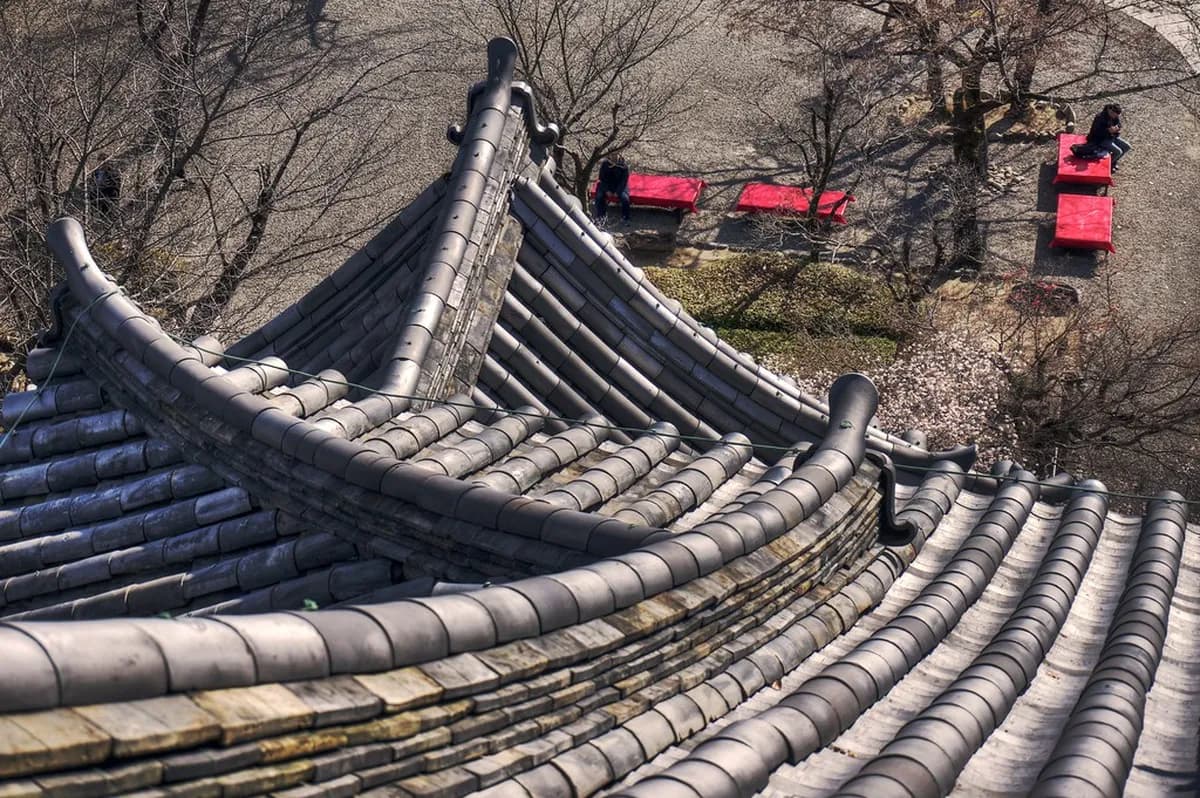
This detailed Nagoya itinerary covers the essential landmarks of the city. I recommend starting your first day early at the castle to avoid groups. The Honmaru Palace is the real highlight with its stunning gold-leaf paintings.
We found that the Toyota museum is best visited on weekday mornings. The working textile looms provide a fascinating look at Japan's industrial rise. It is much quieter than the train museum located near the port.
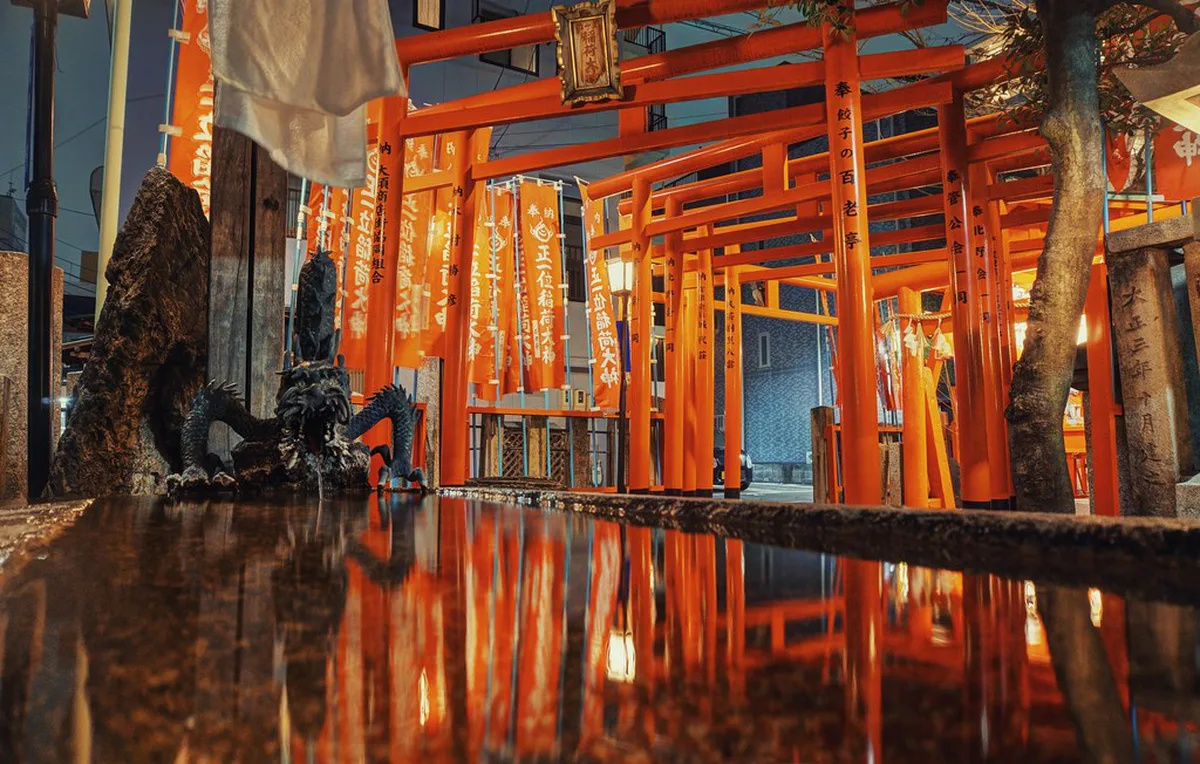
Your third day focuses on the spiritual side of this modern metropolis. Atsuta Jingu is one of the most sacred shrines in the whole country. The ancient cedar trees offer a peaceful escape from the busy city streets.
Day 1: Exploring the historic castle and Osu district
Morning: Castle (500 yen, 9am-4:30pm)
Afternoon: Osu Kannon market shopping
Evening: Dinner in Sakae district
Time: 8 hours total
Logistics: ~20 min by metro
Optional: Nagoya TV Tower view
Day 2: Discovering the city's famous industrial innovation
Morning: Toyota Museum (500 yen)
Afternoon: SCMaglev Park (1000 yen)
Evening: Station area local food
Time: 9 hours total
Logistics: ~30 min by train
Optional: Noritake Garden walk
Day 3: Visiting sacred shrines and peaceful parks
Morning: Atsuta Shrine (free entry)
Afternoon: Shirotori Garden (300 yen)
Evening: Final Osu street food
Time: 7 hours total
Logistics: ~15 min by metro
Optional: Higashiyama Zoo visit
How Many Days in Nagoya is Enough?
Most travelers find that two days is the perfect amount of time. This allows you to see the castle, one museum, and the markets. I think is Nagoya worth visiting depends on your love for history.
If you are on a tight schedule, a one-day stopover works well. You can store your luggage in lockers at the central station easily. Focus on the castle and a quick meal near the Shinkansen tracks.
Three days is ideal if you want to visit the Ghibli Park. The park is located outside the city and requires a full day. This duration also lets you try more of the famous local dishes.
Is Nagoya Worth Visiting on a Short Trip?
Nagoya is often overlooked by travelers rushing between Tokyo and Kyoto. I disagree with the common reputation that the city is boring. The lack of massive tourist crowds makes it a very pleasant stop.
You get a more authentic look at modern Japanese life here. The industrial spirit is unique and different from other major cities. Toyota was founded here, and that history is visible everywhere you look.
The food scene alone makes the trip worthwhile for many visitors. Local specialties like miso katsu offer a rich and savory experience. I suggest visiting if you enjoy engineering, history, or unique regional cuisine.
Book in Advance: Nagoya Travel Essentials
Planning ahead is crucial for a few major attractions in Nagoya. The Ghibli Park from Nagoya guide explains the difficult booking process. You must reserve these tickets exactly three months in advance online.
The SCMaglev and Railway Park can get very crowded on weekends. I recommend booking your entry time at least two days before visiting. This ensures you can try the popular train driving simulators there.
You should check the Nagoya Castle Official Site for current renovation updates. The main keep is sometimes closed for earthquake retrofitting work. The Honmaru Palace remains open and is the main draw for visitors.
Nagoya Meshi: Must-Try Local Foods
Sponsored
Nagoya is famous for its unique local dishes called Nagoya Meshi. I love the local breakfast culture known as the morning service. Most cafes offer free toast and eggs with your morning coffee.
You must try miso katsu, which is fried pork with red miso. It has a deep, sweet flavor that is very addictive and filling. Check the Nagoya Meshi Guide for the best local restaurant rankings.
Another specialty is hitsumabushi, a delicious grilled eel dish. It is served in a wooden bowl and eaten in three steps. This meal is a bit expensive but worth every single yen.
The Nagoya food guide lists many more spicy and savory options. I recommend trying the tebasaki chicken wings with a cold beer. They are peppery, crispy, and perfect for a late-night snack.
Add an Extra Day: Day-Trip Add-Ons
If you have four days, consider taking a short day trip. Inuyama Castle is only 30 minutes away by the Meitetsu train. It is one of only five castles with an original wooden tower.
The Nagoya day trips guide offers many other interesting nearby escapes. You could visit the historic post towns in the Kiso Valley. Magome and Tsumago offer a glimpse into the old Edo period.
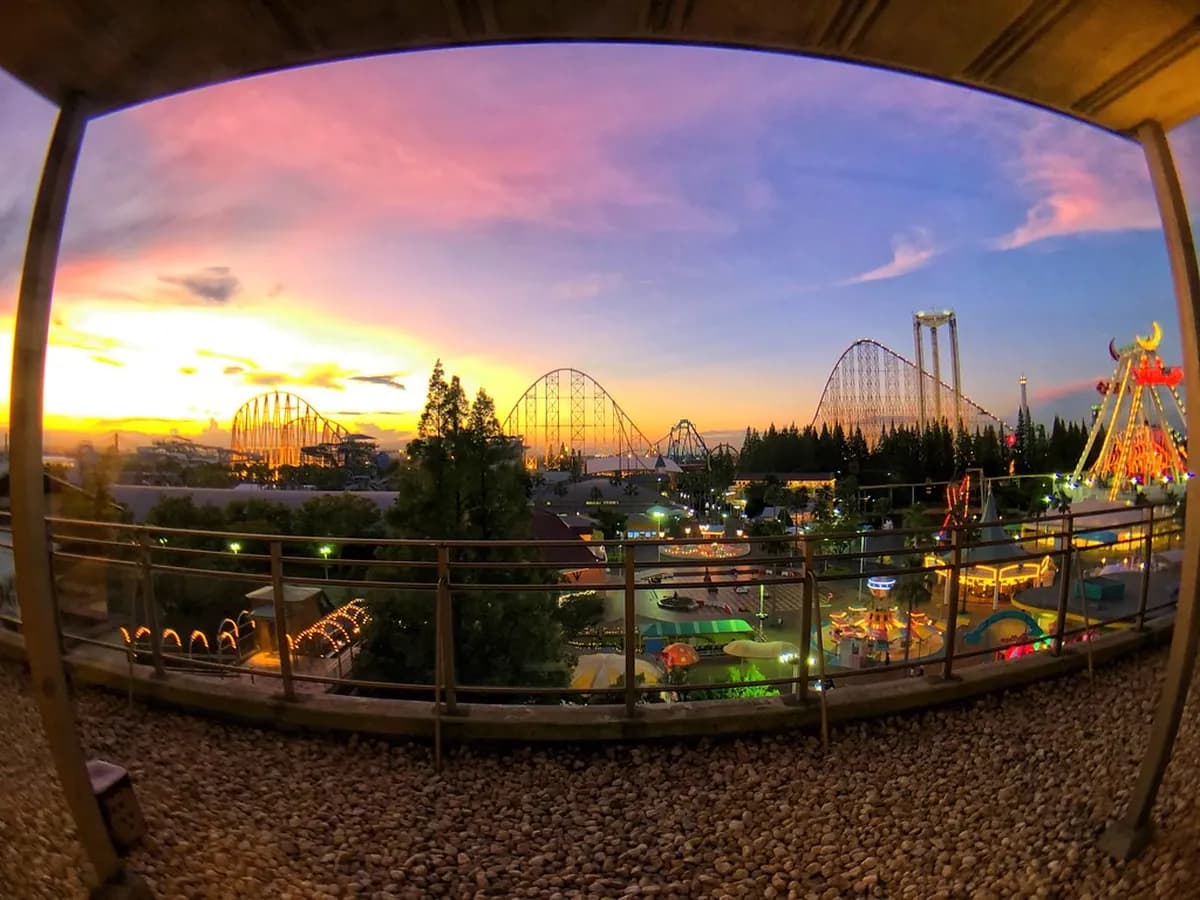
Legoland Japan is another great option for families with young children. It is located right next to the SCMaglev museum near the port. We found that combining these two sites makes for a great day.
Where to Stay in Nagoya
Choosing the right area depends on your travel style and needs. I recommend staying near Nagoya Station for the best transit access. This makes it easy to catch the Shinkansen or local airport trains.
Sakae is the best choice if you want shopping and nightlife. It is the heart of the city's dining and entertainment scene. You will find many department stores and small bars in this area.
Our where to stay in Nagoya guide has more specific hotel picks. There are many budget-friendly business hotels located around the main station. These rooms are small but very clean and convenient for travelers.
Frequently Asked Questions
Is 2 days enough in Nagoya?
Two days is usually enough to see the city's major highlights. You can visit the castle, the Osu district, and one major museum. This timeframe also allows you to enjoy several local meals.
What is the best month to visit Nagoya?
April and October are the best months to visit the city. The weather is mild and perfect for walking between attractions. You can see cherry blossoms in spring or autumn colors in fall.
Nagoya is a rewarding destination for those who appreciate history and technology. While many skip it, the city offers a unique and relaxed atmosphere. I hope this itinerary helps you plan a memorable stay in Aichi.
Whether you stay for one day or three, you will eat well. The industrial heritage and sacred shrines provide a perfect balance for travelers. Enjoy your time exploring this underrated gem of central Japan.