
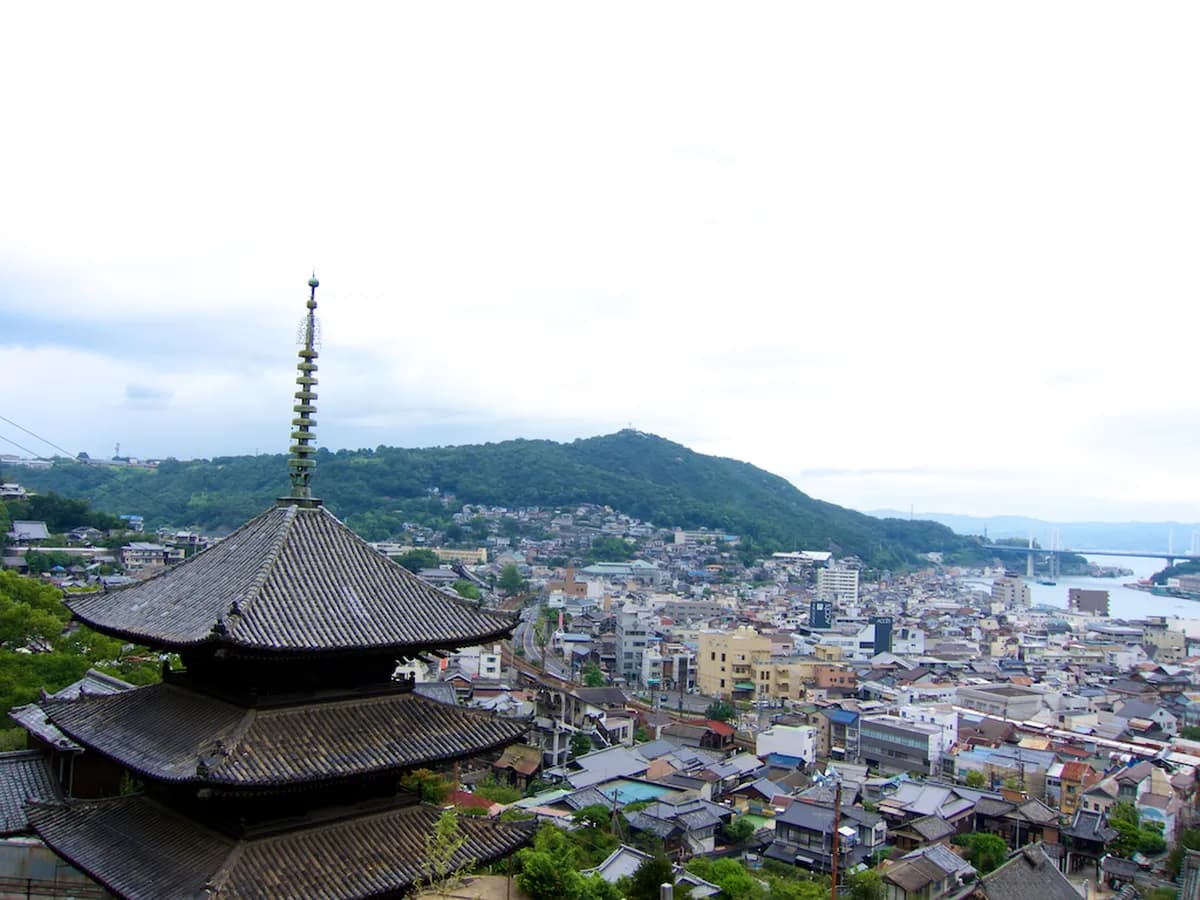
Tenneiji Temple stands as a timeless sentinel overlooking the sloping streets and sparkling waters of the Seto Inland Sea. This historic site offers one of the most recognizable views in all of Japan. Visitors flock here to see the ancient pagoda framed against a backdrop of modern bridges and coastal islands.
Planning a trip to this cultural treasure requires a bit of local knowledge to find the best hidden corners. Beyond the famous skyline, the temple grounds hide spiritual wonders that many travelers unfortunately miss. Using this tenneiji temple visitor guide will help you navigate the steep paths with ease.
Whether you are a photography enthusiast or a history buff, the temple provides a deep sense of peace. The quiet atmosphere of the main hall contrasts beautifully with the bustling port city below. Prepare to explore a site where ancient tradition meets breathtaking natural beauty.
History and Significance of Tenneiji Temple
The origins of Tenneiji Temple date back to 1367 during the early years of the Muromachi period. It was established by the second Shogun of the Ashikaga Shogunate, Ashikaga Yoshiakira. The temple belongs to the Soto Zen sect, which emphasizes the practice of seated meditation for spiritual enlightenment.
This sacred site has survived centuries of change while maintaining its status as a vital spiritual hub. The Japanese government recognizes the temple as a Nationally Designated Important Cultural Property due to its architectural integrity. Walking through the grounds allows you to follow the Onomichi temple walk while soaking in local history.
The temple complex once occupied a much larger area than what remains visible to visitors today. Fires and urban development have shaped the current layout over the last several hundred years. Despite these changes, the core spiritual essence of the Zen tradition remains deeply felt by everyone who enters.
Scholars often visit to study the unique blend of styles found in the temple's various halls. The main hall reflects the understated elegance typical of Zen architecture from the 14th century. Every wooden beam and stone lantern tells a story of devotion and careful craftsmanship.
The Iconic Three-Story Pagoda (Kaiun-to)
The most famous feature of Tenneiji is undoubtedly the Kaiun-to pagoda, which dominates the local landscape. Construction on this impressive wooden tower began in 1388 to serve as a landmark for the surrounding community. It originally stood as a five-story structure before significant structural changes occurred centuries later.
In 1692, the upper two stories were removed because the structure had become unstable over time. The remaining three stories were carefully restored to create the balanced silhouette we see today. This architectural shift created a unique look that differs from many other classic Japanese pagodas.
The pagoda is situated on a steep hillside slightly above the main temple buildings. Its weathered wood and dark roof tiles provide a stark contrast to the blue waters of the sea. Many locals consider this structure to be the spiritual heart of the city's historic district.
The interior of the pagoda is generally closed to the public to preserve the fragile wood. However, the exterior craftsmanship is visible from several public viewing platforms nearby. Observing the intricate joinery reveals the advanced engineering skills of Muromachi-era builders.
The 500 Rakan Statues: A Hidden Gem
While many visitors only photograph the pagoda, the Rakan-do hall contains a truly remarkable treasure. Inside this quiet space, you will find 526 stone statues known as the 500 Rakan. These figures represent the Arhats, or the original disciples of the historical Buddha.
Each statue features a completely unique facial expression and posture that conveys a specific human emotion. Some figures appear to be laughing heartily, while others look deeply contemplative or even slightly grumpy. Exploring the rows of statues feels like walking through a diverse crowd of ancient individuals.
The hall offers a cool and dim environment that encourages visitors to slow down and reflect. It is said that if you look closely enough, you might find a face that resembles someone you know. This personal connection makes the Rakan experience one of the most memorable parts of the trip.
Taking photos inside the hall is usually permitted, but you should remain respectful and quiet. The statues were carved over many years, showing the dedication of the artists who created them. This interior visit provides a spiritual depth that complements the outdoor scenic views.
Best Photography Spots and Views
Capturing the perfect image of Tenneiji requires a short climb to the path above the pagoda. The most iconic shot aligns the pagoda in the foreground with the Shimanami Kaido bridge in the distance. This composition perfectly captures the harmony between Onomichi's ancient heritage and its modern infrastructure.
Photography experts recommend using a focal length between 35mm and 50mm for this specific view. These lenses help compress the background, making the bridge and sea appear closer to the pagoda. You should also consider visiting during the golden hour to catch the warm light hitting the wooden eaves.
Another great perspective can be found from the Senkoji Park ropeway as it ascends the mountain. From the moving cabin, you can see how the temple fits into the dense tapestry of city rooftops. Be sure to have your camera ready as the pagoda comes into view during the middle of the ride.
During the autumn months, the surrounding trees turn vibrant shades of red and orange. This seasonal change adds a layer of color that makes the dark wood of the pagoda pop. Spring visitors will enjoy the cherry blossoms that occasionally frame the entrance gates.
Practical Information: Hours, Fees, and Location
Tenneiji Temple is located in the Higashitsuchidocho district, which is famous for its narrow and winding alleys. The temple grounds are open throughout the day, but the specific halls have restricted hours. Checking the ONONAVI (Onomichi Navigator) Official Site is the best way to confirm current schedules.
Most visitors find that one hour is sufficient to see the pagoda and the Rakan statues. The grounds are free to enter, though a small fee is required to access the Rakan-do hall. Keep some small change ready for donations or to purchase traditional charms at the temple shop.
The paths leading to the temple are quite steep and consist of many stone stairs. Wearing comfortable walking shoes is essential for a safe and enjoyable visit to this hillside site. During the summer heat, bring plenty of water as the climb can be physically demanding.
- Temple Operating Hours
- Main Grounds: Always open
- Rakan Hall: 9:00 AM to 5:00 PM
- Best Time: Early morning
- Season: Open year-round
- Visitor Admission Costs
- Temple Grounds: Free entry
- Rakan-do Hall: 300 Yen
- Photography: Free outside
- Payment: Cash only
- Location and Contact
- Address: 17-29 Higashitsuchidocho
- City: Onomichi City
- Prefecture: Hiroshima Prefecture
- Phone: Local listing available
How to Reach Tenneiji Temple in Onomichi
Reaching the temple is a straightforward journey from the main transport hubs in the city. Most travelers prefer the fifteen-minute walk from the east exit of Onomichi Station. This route takes you through charming shopping arcades and past several smaller historic shrines.
If you prefer to save your energy for the hills, local buses run frequently from the station. Disembark at the Nagae-guchi bus stop, which is located very close to the ropeway station. From there, it is only a short but steep walk up the stairs to reach the temple entrance.
Travelers coming from further away can find detailed transit maps on the Hiroshima Prefecture Official Tourism Website for planning. The city is well-connected by rail to Hiroshima City and the Shinkansen lines at Shin-Onomichi. Always check the latest train schedules if you are visiting as a day trip from nearby cities.
Cyclists exploring the Shimanami Kaido often make a detour to see the pagoda before starting their ride. You can leave your bicycle at designated parking areas near the bottom of the hill. The climb on foot provides a good warm-up before hitting the coastal cycling paths.
Nearby Attractions: Senkoji and the Temple Walk
Tenneiji is a primary stop on the famous Koji-meguri, a route that connects twenty-five different temples. Following this path allows you to see the diverse architectural styles of the region in one afternoon. The trail is clearly marked with stone pillars and signs to help visitors stay on the right track.
Just a short walk further up the mountain lies the magnificent Senkoji Temple and its surrounding park. This area offers panoramic views and is particularly famous for its massive rock formations. Combining these two temples into one trip provides a comprehensive look at Onomichi's religious heritage.
For a change of pace, wander through the nearby Cat Alley to find feline-themed art and cafes. This narrow path is home to many friendly local cats and hidden galleries. It offers a whimsical contrast to the serious and spiritual atmosphere of the Zen temple.
The entire hillside district is best explored at a slow pace to appreciate the small details. You will find small garden cafes and craft shops tucked between the ancient temple walls. Ending your day at the waterfront allows you to see the pagoda illuminated against the night sky.
Planning more? See things to do in Onomichi and Setouchi. For the latest details, check the official site and more background.
Frequently Asked Questions
Is there an entrance fee for Tenneiji Temple?
Entry to the general temple grounds and the area around the pagoda is free for all visitors. However, if you wish to enter the Rakan-do hall to see the 500 statues, there is a small fee of 300 Yen. This helps support the preservation of the historic wooden structures.
How do I get to the Tenneiji pagoda photography spot?
To find the iconic viewpoint, walk past the main temple buildings and follow the stone stairs leading further up the hill. Look for the narrow path that overlooks the pagoda from above. This spot provides the perfect angle to frame the tower with the sea and bridge in the background.
What is the history of the Tenneiji pagoda?
The pagoda was originally built in 1388 as a five-story structure during the Muromachi period. In 1692, the top two stories were removed to improve stability, resulting in the three-story building seen today. It is now a protected Important Cultural Property of Japan.
Can you see the 500 Rakan statues at Tenneiji?
Yes, the statues are located inside the Rakan-do hall on the temple grounds. There are actually 526 statues in total, each with a unique facial expression and pose. Visitors are welcome to view them during the hall's standard operating hours from 9:00 AM to 5:00 PM.
How long does it take to visit Tenneiji Temple?
Most visitors spend between 45 and 60 minutes exploring the temple. This allows enough time to photograph the pagoda, visit the Rakan statues, and enjoy the views of the city. If you are following the full temple walk, you may want to budget more time for the steep stairs.
Tenneiji Temple is much more than just a beautiful photo opportunity on a hillside. It represents centuries of Zen tradition and the resilient spirit of the Onomichi community. The combination of the historic pagoda and the expressive Rakan statues creates a truly unique destination.
Taking the time to climb the stone stairs rewards you with a deep connection to Japan's past. Every corner of the temple grounds offers a new perspective on the beauty of Hiroshima Prefecture. Make sure to include this site in your itinerary for an authentic and peaceful travel experience.
Whether you come for the history or the views, the temple will leave a lasting impression. Safe travels as you explore the winding paths and ancient wonders of this coastal gem. The memory of the pagoda silhouetted against the sea will stay with you long after you leave.

