
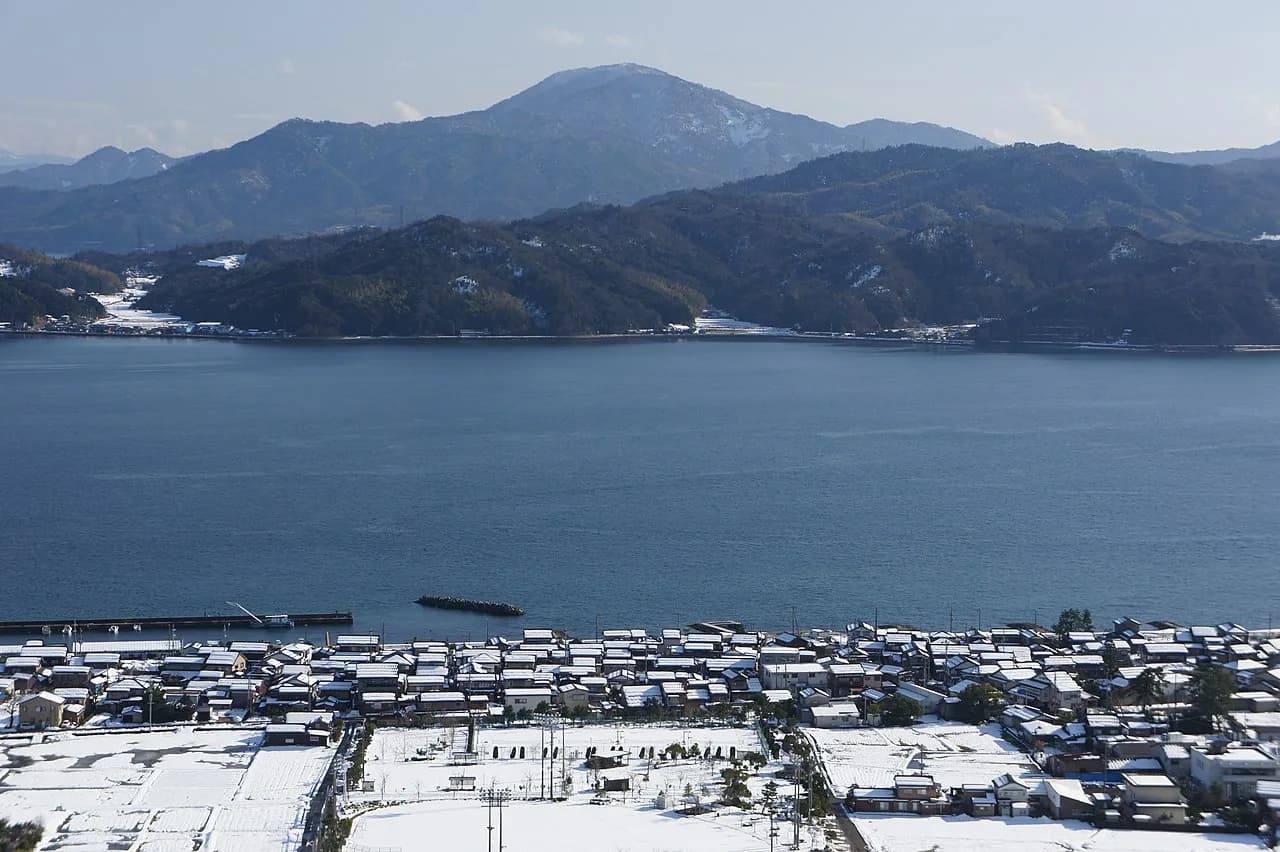
Kasamatsu Park sits on the hillside above the northern tip of Amanohashidate, reached by a short cablecar or chairlift ride from the Fuchu district near Motoise Kono Shrine.
It is the original home of the matanozoki viewing tradition — lean forward, peer between your legs at the pine-crowned sandbar below, and the famous "Bridge in Heaven" appears to lift free of the sea and soar skyward. The effect, known as the hiryukan or "soaring dragon" view, is the defining image of Amanohashidate in Japanese culture.
Beyond the upside-down viewpoint, the park offers kawarakenage disc throwing, a hilltop café, and a gateway to the higher temple precinct above — making it a compact stop that earns far more than its modest cablecar fare. This 2026 guide covers everything you need to plan a visit.
Why Visit Kasamatsu Park? Birthplace of the Matanozoki Tradition
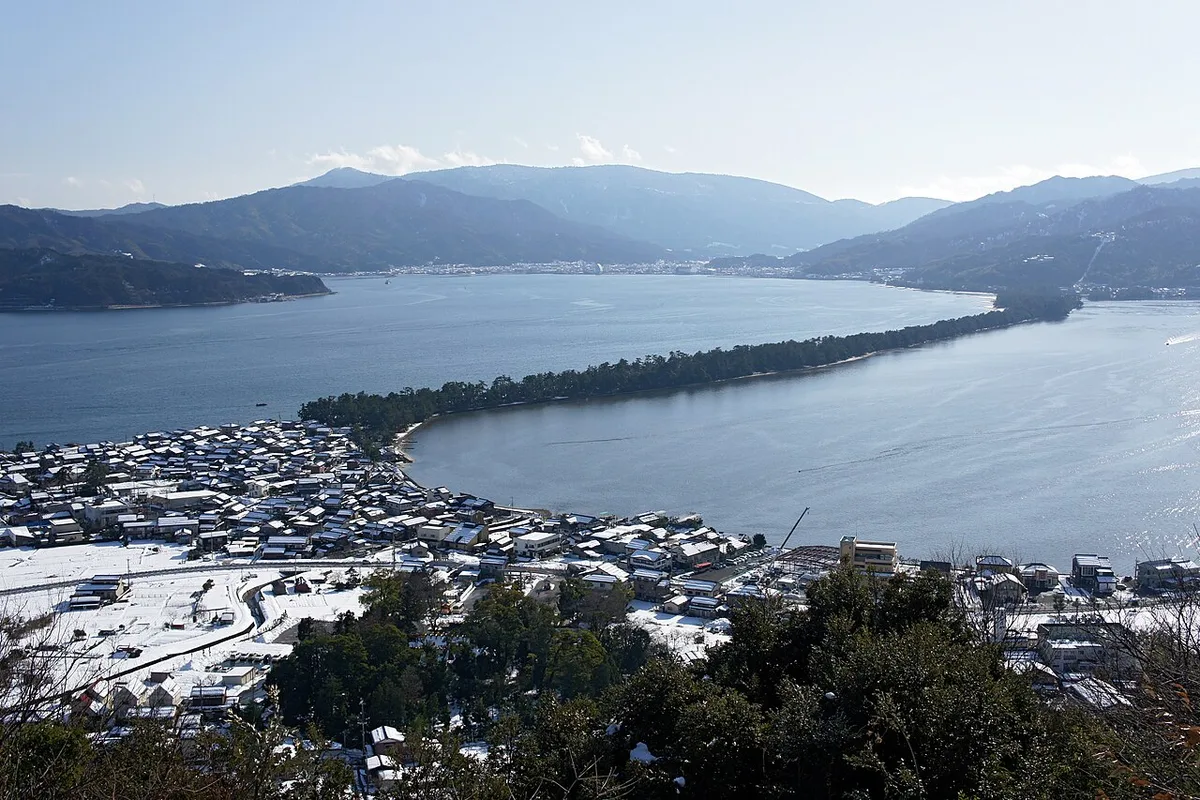
Amanohashidate — literally "Bridge in Heaven" — is one of Japan's three celebrated views (Nihon Sankei), and Kasamatsu Park is the vantage point from which most of those iconic photographs are taken. The sandbar extends for roughly 3.6 km across Miyazu Bay, lined with approximately 8,000 pine trees, and from this elevated northern position the contrast between pale sand and deep blue water is at its most dramatic.
What sets the park apart, however, is the matanozoki platform. Visitors lean forward over a low railing, peer upside-down between their legs, and watch the sandbar apparently lift free of the bay and rise into the sky. The experience is participatory, occasionally absurd, and genuinely striking even to those who have seen photographs. The optical illusion owes as much to psychology as geometry — Edo-period Japanese travel guides already recommended the inverted view as the correct way to perceive Amanohashidate's otherworldly proportions.
For the full context of this tradition and the wider viewpoint landscape of the bay, the full viewpoints and matanozoki guide is the essential companion read. If you are building a broader itinerary, things to do in Amanohashidate covers the sandbar walk, the shrines, and the local ferry together.
History and Significance of Kasamatsu Park
The matanozoki practice at Kasamatsu Park is documented at least as far back as the Edo period, when Amanohashidate already drew pilgrims travelling to Motoise Kono Shrine and the hilltop temple above. Printed woodblock travel guides of the era recommended the inverted view as the correct way to appreciate the sandbar's heavenly proportions — a visual pun encoded in the place name itself.
The park takes its name, Kasamatsu ("umbrella pine"), from the distinctive spreading pines that shelter the summit viewpoint. These trees, shaped by generations of sea winds and visitors, are emblems of the site in their own right and feature in historic ukiyo-e depictions of the bay.
The cablecar and chairlift now carry visitors up from the valley floor, replacing the steep stone path that pilgrims once climbed on foot to reach both this vantage point and the temple precincts above. The lift makes the hillside accessible to a wide range of visitors without disturbing the atmosphere at the summit, where the views remain as undiluted as they were in the Edo period.
Getting to Kasamatsu Park: Cablecar and Chairlift Access
Kasamatsu Park is located above the Fuchu district at Amanohashidate's northern end. The practical access for almost all visitors is the cablecar or open chairlift departing from the base station near Motoise Kono Shrine; both ascend to the same hilltop arrival point in a few minutes.
The base station is a roughly 5-minute walk from Amanohashidate Station (Kyoto Tango Railway). From Kyoto, the Tango Relay express train reaches Amanohashidate in approximately 75 minutes; from Osaka, allow around 2 hours via a Maizuru or Fukuchiyama connection.
The cablecar and chairlift operate from roughly 09:00 to 17:00 with seasonal variation (2026 estimate — confirm directly with the operator before travelling). A round-trip ticket costs around ¥800 per adult (2026 estimate), with reduced fares for children. Entry to the park itself is free once you disembark. The Amanohashidate attractions hub includes additional transport notes for the wider area, including the ferry crossing from the south shore.
Highlights: What to See and Do at Kasamatsu Park
The matanozoki platform is the centrepiece. A dedicated railing marks the spot where visitors lean forward and view the sandbar inverted. On a clear day the pale sand of Amanohashidate contrasts sharply against the bay on either side, and the uprush effect is convincing even to sceptics. Take your time — first attempts are often rushed, and the view improves with a steadier stance.
Adjacent to the viewpoint, the kawarakenage area invites visitors to purchase small unglazed clay discs and attempt to skim them through a circular target ring set against the open sky. This traditional activity requires no experience, takes only a few minutes, and adds a playful ritual dimension to what might otherwise be a quick lookout stop.
A café and souvenir shops near the cablecar arrival serve local Kyoto Prefecture tea and light snacks, making a comfortable pause before ascending further or heading back down.
From the park, a temple bus continues up to the precinct of Nariai-ji Temple — the 28th temple on the Saigoku Kannon pilgrimage — and to the Nariaisan Panorama Observation Deck, an even higher vantage with views extending north across the Tango Peninsula. Combining Kasamatsu Park with Nariai-ji is the recommended approach for a full northern hillside morning. On the south side of the bay, the Amanohashidate View Land offers a complementary elevated perspective from the opposite direction.
Planning Your Visit: Hours, Access, and Tips
The cablecar and chairlift run roughly 09:00–17:00 with potential seasonal extensions in summer (2026 estimates; always verify times directly before visiting, as schedules adjust for maintenance and weather). The park itself has no separate admission charge.
Budget around ¥800 per adult for the round-trip lift fare, plus discretionary spending on food, drinks, or kawarakenage discs at the hilltop. Total costs for the Kasamatsu Park visit alone are modest.
The matanozoki illusion is most striking in clear weather when the colour contrast between sand and sea is sharpest. Spring (late March to May) and autumn (October to November) offer the best combination of mild temperatures and clear skies. Summer mornings work well before heat haze builds over the water.
Queues for the cablecar build quickly on weekends and national holidays. Arriving before 09:30 or after 15:00 generally means shorter waits. If you plan to continue by temple bus to Nariai-ji, allow at least three hours from reaching the base station to descend comfortably before the last lift of the day.
For the full temple and shrine context at the foot of the hillside, the guide to the Chion-ji and Nariai-ji temples covers both the iconic Chion-ji at the sandbar's southern access point and the pilgrimage significance of Nariai-ji above Kasamatsu Park.
Frequently Asked Questions
What is matanozoki and why is Kasamatsu Park known for it?
Matanozoki means "looking through your legs" — you bend forward and peer upside-down between your legs at the Amanohashidate sandbar below. The optical effect makes the sandbar appear to soar skyward as a bridge to heaven, a view known as the hiryukan or "soaring dragon." Kasamatsu Park on the north side of Amanohashidate is the original and most celebrated home of this tradition, with a dedicated viewing platform still in daily use.
How do I reach Kasamatsu Park from Amanohashidate Station?
From Amanohashidate Station (Kyoto Tango Railway), walk approximately 5 minutes north to the cablecar and chairlift base station near Motoise Kono Shrine. The ride to Kasamatsu Park takes only a few minutes. The round-trip fare is around ¥800 per adult (2026 estimate). Lifts operate roughly 09:00–17:00 seasonally; confirm current hours before your visit.
Is Kasamatsu Park free to visit?
The park itself is free once you reach the hilltop. The only charge is the cablecar or chairlift fare — approximately ¥800 per adult for a round trip (2026 estimate), with reduced fares for children. There is no separate admission fee for the matanozoki viewing platform, the kawarakenage disc-throwing area, or the panoramic viewpoints.
What is kawarakenage at Kasamatsu Park?
Kawarakenage is a traditional activity where visitors throw small unglazed clay discs through a circular target ring set against the open sky. Discs are sold on-site and no prior experience is needed. It is a lighthearted addition to the hilltop visit, rooted in a long tradition of good-luck offerings at hilltop shrines across Japan, and is popular with visitors of all ages.
Can I continue to Nariai-ji Temple from Kasamatsu Park?
Yes. A temple bus departs from Kasamatsu Park and ascends further to the Nariai-ji Temple precinct — the 28th temple on the Saigoku Kannon pilgrimage — and to the Nariaisan Panorama Observation Deck, which offers an even wider view north across the Tango Peninsula. Combining both sites makes a recommended half-day itinerary for the northern hillside. Check the bus schedule at the Kasamatsu Park terminus on arrival.
What is the best season to visit Kasamatsu Park?
Spring (late March to May) and autumn (October to November) give the clearest skies and most comfortable temperatures for the hilltop viewpoint. The matanozoki illusion is most striking on sunny days when the contrast between the sand and the blue of Miyazu Bay is at its sharpest. Summer mornings can be excellent before heat haze develops over the water. Avoid busy holiday periods if possible, as cablecar queues can be lengthy.
Kasamatsu Park earns its reputation as Amanohashidate's classic viewpoint — the matanozoki tradition is genuinely surprising even for visitors who have seen countless photographs of it, and the combination of disc throwing, a hilltop café, and the onward connection to Nariai-ji Temple makes the hillside an afternoon destination rather than a quick lookout.
For a deeper exploration of the viewing tradition and all the elevated vantage points around Miyazu Bay, the full viewpoints and matanozoki guide is the ideal follow-on read. Pair it with the things to do in Amanohashidate overview to plan a complete visit to the sandbar, the shrines, and the wider bay area.