Yokohama Station Area Guide: 10 Essential Tips & Attractions
Plan your trip with our Yokohama Station area guide. Discover 10 top attractions, station locker tips, Shinkansen transfers, and neighborhood context for a smooth visit.
On this page
Yokohama Station serves as a massive transportation hub and a gateway to Japan's second-largest city. This bustling district offers a perfect blend of modern shopping, historic charm, and scenic waterfront views. Navigating this area requires a solid plan to avoid common traveler confusion between the two main stations. Our comprehensive yokohama station area guide helps you master the logistics for a seamless visit.
Visitors often find themselves overwhelmed by the sheer scale of the underground walkways and train lines. You will discover world-class dining and unique museums just steps away from the main platforms. Planning ahead allows you to maximize your time in this vibrant coastal destination. This guide covers everything from Shinkansen transfers to the best local street food spots.
Is Yokohama worth visiting?
Many travelers wonder Is Yokohama Worth Visiting? Honest 2026 Travel Guide when Tokyo is so close by. The city offers a much more relaxed atmosphere compared to the frantic pace of Shinjuku or Shibuya. You can enjoy wide open spaces along the bay that are hard to find in the capital. It serves as an excellent escape for those who love maritime history and modern architecture.
The culinary scene here is distinct and influenced by its long history as an international port. You will find Japan's largest Chinatown and innovative food museums within a short distance. Walking through the city reveals a unique mix of Western-style buildings and traditional Japanese gardens. This variety makes it a top choice for a rewarding day trip or a multi-day stay.
Families often prefer this area because many attractions are clustered together for easy access. The infrastructure is highly efficient and caters well to international tourists with clear signage. Shopping enthusiasts will find massive department stores that rival the best in Tokyo. Yokohama provides a high-quality experience without the extreme density of the neighboring metropolis.
Things to do in Yokohama
There are countless Yokohama Attractions You Must Visit in 2026 to explore near the main station area. The district is divided into several zones that each offer a different vibe and set of activities. You can start your journey by exploring the massive shopping complexes directly connected to the station. Sogo and Takashimaya offer everything from luxury brands to local Japanese crafts.
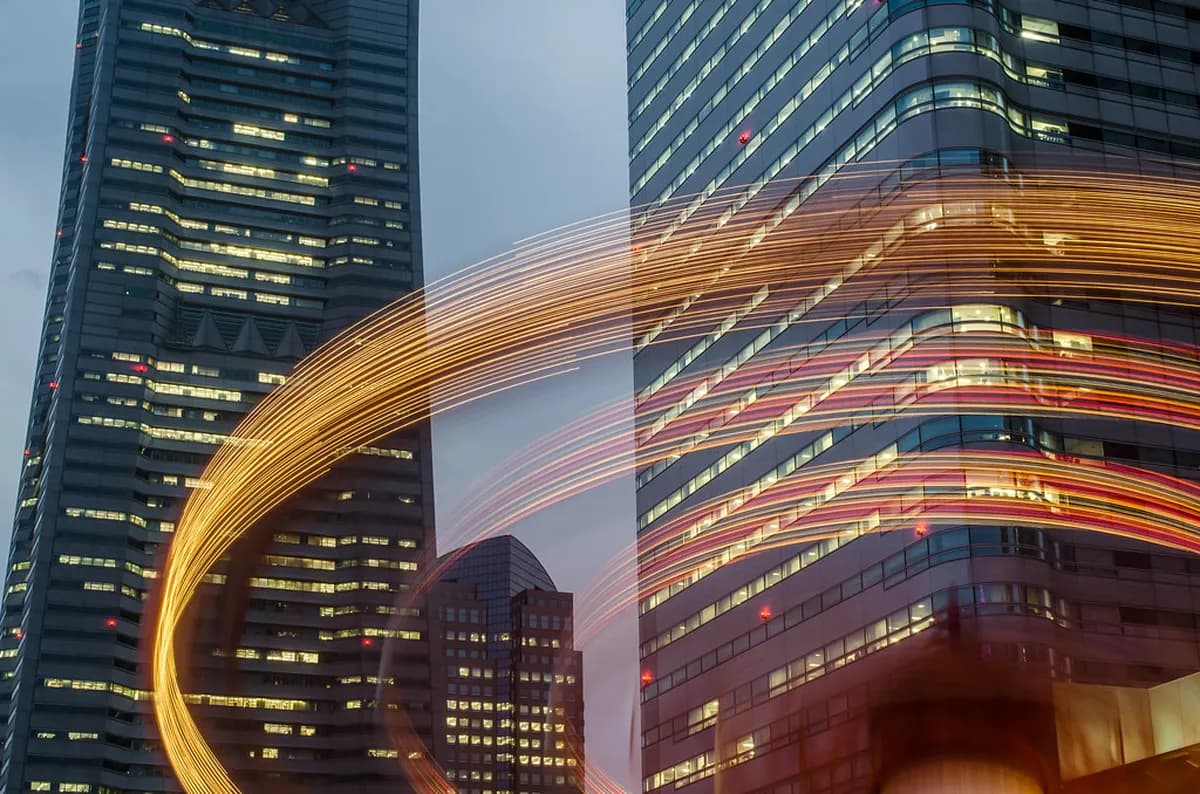
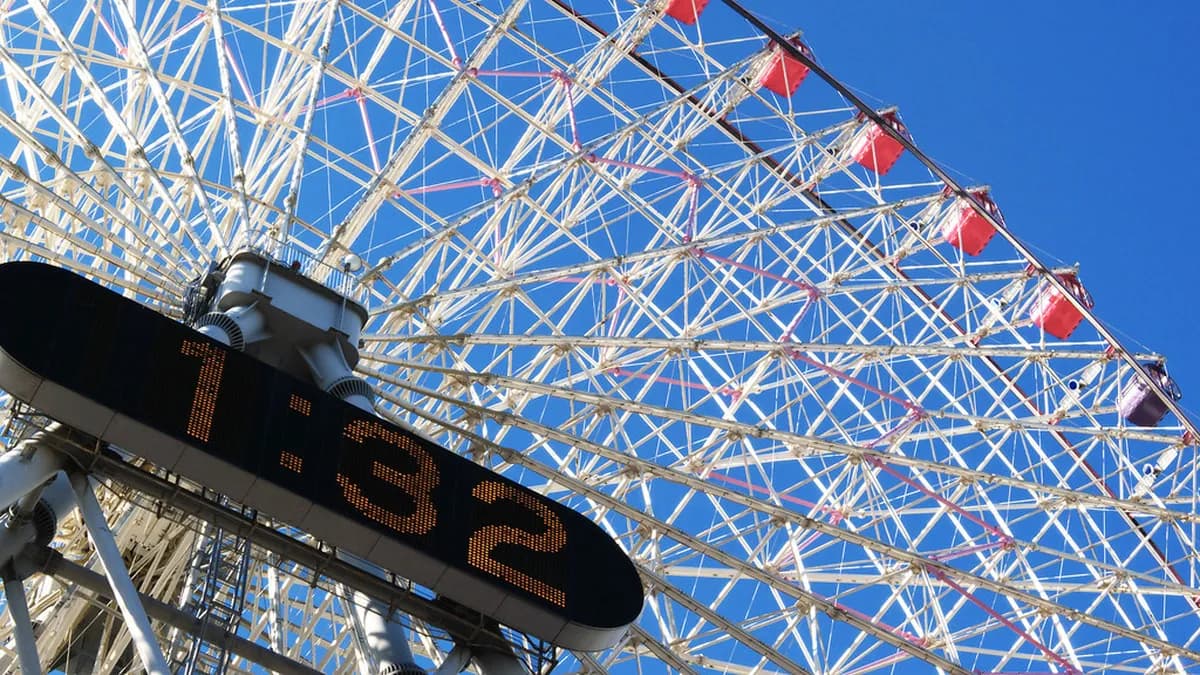
The Minato Mirai 21 district is the most famous part of the city for sightseeing. It features a stunning skyline that looks particularly beautiful when the sun begins to set. You can take a ride on the Giant Ferris Wheel for a bird's-eye view of the bay. This area also hosts several interactive museums that are great for visitors of all ages.
For a more local experience, head to the west exit of the station for vibrant nightlife. Narrow alleys are filled with small bars and restaurants serving authentic regional dishes. This contrast between modern malls and cozy backstreets is a highlight of the station area. Always keep a map handy as the underground levels can be quite intricate to navigate.
The station has multiple exits (Central, North, South, and West)—each leads to different shopping zones and neighborhoods. The underground levels connect all major department stores and train lines, so use the subway passes rather than getting lost above ground.
- Comparing Yokohama Station and Shin-Yokohama Station
- Yokohama Station: Downtown and shopping hub
- Shin-Yokohama Station: Shinkansen and Ramen Museum
- Travel Time: 10 minutes by subway
- Best for: Clarifying your arrival point
- Benefits of the Minato Burari Pass
- Coverage: Unlimited bus and subway
- Cost: 500 yen per day
- Area: Station to Chinatown
- Bonus: Local shop discounts
Tokyo to Yokohama
Learning How to Get to Yokohama from Tokyo: Complete Transport Guide is straightforward for most travelers. The JR Tokaido Line is often the fastest option for those starting at Tokyo Station. It takes roughly 25 to 30 minutes to reach the heart of the city. This line is fully covered by the Japan Rail Pass for eligible visitors.
The Tokyu Toyoko Line is a great alternative if you are coming from Shibuya. This private line is generally cheaper and offers a direct connection to the Minato Mirai line. You can reach the station in about 30 minutes on an express train. It is a popular choice for budget-conscious travelers and local commuters alike.
If you are arriving via the Shinkansen, you will pull into Shin-Yokohama Station instead. Note that this station is located about five miles away from the main Yokohama Station hub. You must transfer to the JR Yokohama Line or the Blue Line subway to reach downtown. This transfer usually takes about 10 to 15 minutes depending on the train type.
IC cards like Suica or Pasmo work across all local trains and the Blue Line subway—purchase one at Yokohama Station for seamless transfers and to avoid fumbling with individual tickets at every transition point.
Culinary Innovation: Shin Yokohama Ramen Museum & Cup Noodles Museum
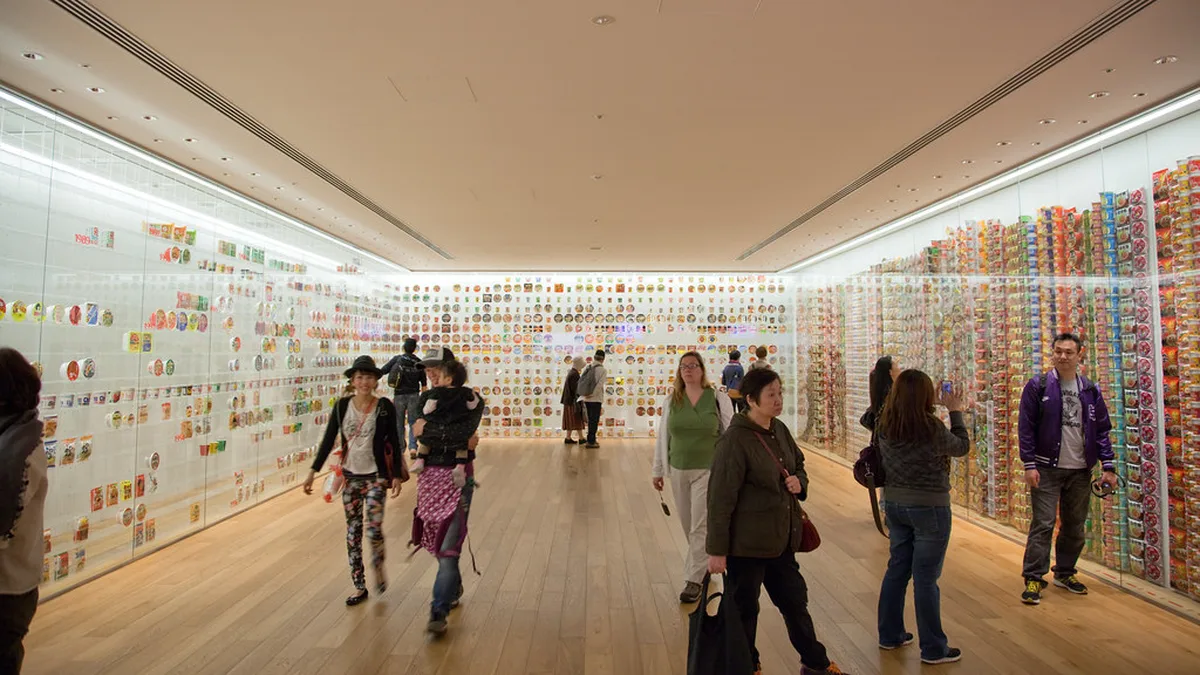
Food lovers often face a choice between two world-famous noodle attractions in the city. The Shin Yokohama Ramen Museum is located near the Shinkansen station for easy access. It features a 1958-themed basement that recreates a nostalgic Tokyo street scene. You can sample small bowls of ramen from various famous shops across Japan.
The Cup Noodles Museum is situated in the Minato Mirai area near the water. This facility focuses on the history of instant noodles and the creativity of Momofuku Ando. Visitors can design their own custom cup of noodles to take home as a souvenir. It is highly interactive and usually requires a reservation for the workshops.
Choosing between the two depends on whether you prefer eating or creating. The Ramen Museum is better for those who want a variety of authentic meals in one spot. The Cup Noodles Museum is ideal for families and fans of the global brand. Check the Yokohama Official Visitors Guide for current opening hours and special exhibits.
Culinary Paradise: Yokohama Chinatown – Japan’s Largest Chinatown
A visit to the Things to Do in Yokohama Chinatown area is essential for any food enthusiast. This district is the largest of its kind in Japan and features over 500 shops and restaurants. The vibrant gates and colorful architecture create a festive atmosphere throughout the year. You can reach this area easily by taking the Minato Mirai Line from the main station.

The local culture emphasizes 'tabearuki,' which means eating while walking through the streets. Vendors sell steamed buns, sesame balls, and various skewers to hungry passersby. Look for the famous pan-fried soup dumplings which are a local specialty. Be prepared for large crowds during weekends and national holidays.
If you prefer a formal meal, many restaurants offer elaborate multi-course Chinese banquets. Prices can vary significantly, so it is wise to check menus before entering. The Kanteibyo Temple is a stunning cultural landmark located right in the heart of the district. It is dedicated to the god of good fortune and business prosperity.
Maritime Majesty: Exploring Yokohama Bay & Yokohama Port
The waterfront is the soul of the city and offers many scenic ways to explore. Yamashita Park is a beautiful green space that stretches along the harbor for nearly a kilometer. You can walk along the water and watch the massive ships come and go. The park is a favorite spot for locals to relax and enjoy the sea breeze.
The Sea Bass ferry is a scenic alternative to the subway for traveling between major points. It connects Yokohama Station directly to Yamashita Park and the Red Brick Warehouse. The boat ride offers unique views of the skyline that you cannot see from the land. Fares are reasonable and the journey provides a refreshing break from walking.
Osanbashi Pier is a modern international passenger terminal with a unique wooden deck. It serves as a public park where you can enjoy panoramic views of the entire bay. Photographers often gather here to capture the city lights at night. The pier is free to access and remains open late into the evening.
Museum Excellence: Yokohama Museum and Other Cultural Attractions
Cultural enthusiasts will find plenty to admire in the city's diverse museum collection. The Yokohama Museum of Art is one of the largest art institutions in Japan. It features a wide range of modern and contemporary works from both local and international artists. The building itself is an architectural masterpiece located in the heart of Minato Mirai.
You should consider purchasing a 'Cultural Pass' to save money on multiple entrance fees. These bundles often include access to the art museum and the historical Hikawa Maru ship. The Hikawa Maru is a retired ocean liner that now serves as a fascinating floating museum. It offers a glimpse into the luxury travel of the early 20th century.
The Kanagawa Prefectural Museum of Cultural History is another excellent stop for history buffs. It is housed in a beautiful Western-style building that survived the Great Kanto Earthquake. The exhibits detail the transformation of the region from a small village to a global port. It is located within walking distance of the Bashamichi station area.
Soaring Above the City: Yokohama Landmark Tower & Sky Garden
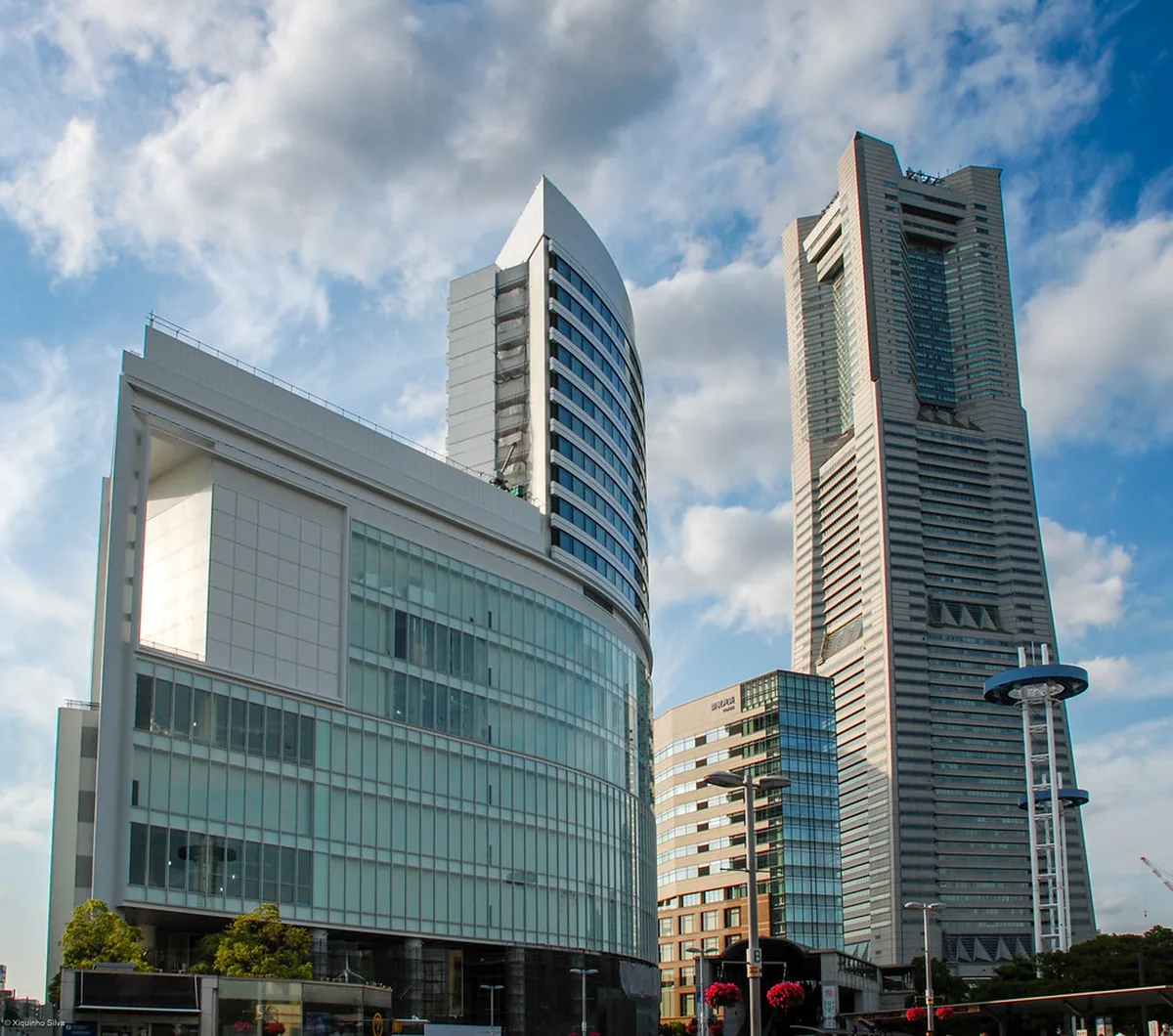
The Yokohama Landmark Tower was once the tallest building in Japan and remains an icon. Its Sky Garden observation deck is located on the 69th floor of the tower. You can reach the top in one of the world's fastest elevators in just 40 seconds. The 360-degree views provide a stunning perspective of the Kanto Plain.
The best time to visit the Sky Garden is about 30 minutes before sunset. This allows you to see the city in daylight, during the golden hour, and at night. On clear days, you can see the majestic silhouette of Mt. Fuji in the distance. Winter months typically offer the best visibility for mountain photography.
The tower also houses a large shopping mall called Landmark Plaza with many dining options. It is a perfect place to escape the rain or heat while still enjoying the city. The Yokohama Air Cabin cable car is located nearby for another aerial experience. This urban ropeway connects the station area to the Shinko district with ease.
Traditional Beauty: Sankeien Garden – A Masterpiece Japanese Garden
Sankeien Garden offers a peaceful retreat from the modern urban landscape of the station. This sprawling traditional garden features historic buildings brought from all over Japan. You can explore ancient pagodas, tea houses, and residences of former samurai. It is located a short bus ride away from the Negishi or Yokohama stations.
The garden is famous for its seasonal beauty and changing colors throughout the year. Plum blossoms typically peak in February, followed by cherry blossoms in early April. Autumn brings vibrant red and gold maple leaves that reflect in the central ponds. Check the seasonal calendar before visiting to see what is currently in bloom.
Visitors can participate in a traditional tea ceremony in one of the historic tea houses. This provides a quiet moment of reflection amidst the meticulously landscaped grounds. The garden also hosts various cultural events and flower exhibitions during peak seasons. It is a must-visit for anyone interested in Japanese architecture and landscape design.
Cultural Heritage: Red Brick Warehouse District
The Red Brick Warehouse guide area highlights the city's industrial and maritime history. These two historic buildings once served as customs houses for the busy port. They have been beautifully restored into a vibrant complex for shopping and dining. The brickwork and iron structures provide a unique backdrop for photos.
The district is famous for hosting large-scale seasonal events in the outdoor plaza. The Christmas Market in December is one of the most popular festivals in the region. You can also enjoy an authentic Oktoberfest celebration during the autumn months. Check the local event calendar to see what is happening during your visit.
Inside the warehouses, you will find many boutiques selling unique local crafts and jewelry. There are also numerous cafes and restaurants with views of the harbor. It is a great place to pick up souvenirs that are more unique than standard tourist items. The area is easily accessible via the scenic waterfront walking path.
Frequently Asked Questions
What is the difference between Yokohama Station and Shin-Yokohama Station?
Yokohama Station is the central hub for local trains, shopping, and downtown access. Shin-Yokohama Station is located about 10 minutes away by subway and serves as the stop for the Shinkansen high-speed rail. Travelers should use the Blue Line or JR Yokohama Line to move between them when Ways to Navigate Yokohama: A Transport Guide city.
Where are the coin lockers in Yokohama Station?
Coin lockers are located throughout the station, with large clusters near the Central, North, and South exits. Most lockers accept IC cards like Suica or Pasmo for payment. During busy weekends, lockers can fill up early, so consider using the luggage storage counters in nearby department stores.
How do I get from Yokohama Station to Chinatown?
The fastest way is taking the Minato Mirai Line to Motomachi-Chukagai Station, which takes about 8 minutes. Alternatively, you can take a local bus or the Sea Bass ferry for a more scenic journey. Walking from the station takes roughly 30 to 40 minutes through the Minato Mirai district.
The Yokohama Station area is a dynamic destination that rewards careful planning and exploration. From the heights of the Landmark Tower to the flavors of Chinatown, there is something for everyone. Using this guide will help you navigate the transit hubs and discover the city's best gems. Your journey to this historic port city is sure to be a highlight of your Japan trip.
Remember to check the seasonal events at the Red Brick Warehouse before you arrive. Consider using the Minato Burari Pass to save money on your local transit needs. Whether you stay for a day or a week, the city's maritime charm will leave a lasting impression. Start planning your visit today to experience the best of the Yokohama Station area.
Free: The Yokohama Essentials guide
Top things to do, where to stay, a perfect day plan, getting around, and the best time to go — a Yokohama mini-guide you can take offline.
You might also like


Continue reading
More guides you'll find useful