

Yokohama Street Food Guide: 11 Essential Stops and Tips (2026)
Discover the best of Yokohama Chinatown with our street food guide. Featuring 11 must-visit stalls, etiquette tips, and the best dishes to try today.
On this page
I have spent countless weekends navigating the vibrant, lantern-lit alleys of Kanagawa's most famous culinary district. Yokohama Chinatown offers a sensory explosion that rivals any food destination in East Asia. Our editors have vetted every corner of this historic neighborhood to bring you a truly curated list. This guide focuses on high-quality ingredients and authentic flavors rather than tourist traps.
Last refreshed October 2026, this article reflects the latest changes in stall locations and pricing. The local food scene has evolved significantly with new fusion trends emerging this year. You will find that the balance between traditional Cantonese roots and modern Japanese influence is stronger than ever. Planning a visit now ensures you catch the best seasonal specialties before the winter crowds arrive.
Whether you are a first-time visitor or a seasoned foodie, the variety here can be overwhelming. We have narrowed down the hundreds of options to eleven essential stops that define the area. Each selection represents a unique aspect of the local culture and culinary history. Grab your walking shoes and prepare for a day of incredible flavors in the heart of Yokohama.
Chinatown in Japan: A Brief History
The story of this district began in 1859 when Yokohama officially opened its port to foreign trade. Chinese merchants settled near the docks, creating a community that would eventually become Japan's largest Chinatown. Over the decades, this area survived major earthquakes and wartime destruction to remain a cultural pillar. Today, it stands as a testament to the enduring relationship between Japanese and Chinese traditions.

Walking through the iconic Choyo-mon Gate feels like stepping into another world entirely. The architecture features bright reds and golds that contrast sharply with the sleek skyscrapers of Minato Mirai. According to the Chinatown Official Guide, there are over 600 shops packed into this square kilometer. This density makes it the perfect place for a self-guided Yokohama Food Guide: 12 Must-Try Dishes and Places walking tour.
The cuisine here is not strictly traditional Chinese food but rather a unique Japanese-Chinese fusion. Dishes like Mapo Tofu and Gyoza have been adapted over generations to suit the local Japanese palate. This evolution created specific regional specialties that you cannot find in Beijing or Shanghai. Understanding this history helps you appreciate the subtle flavors in every bite you take.
11 Essential Stops for Your Yokohama Street Food Guide
The following list represents the absolute best snacks and meals currently available on the streets. I have grouped these by their primary flavors to help you plan a balanced meal progression. We recommend starting with lighter steamed items before moving toward the heavier fried or spicy dishes. Be sure to carry enough cash as many of the smaller stalls do not accept credit cards.
The variety ranges from massive steamed buns to delicate sugar-coated fruits on skewers. Most items are designed to be shared, allowing you to try more things without getting full too quickly. Pay close attention to the queue lengths, as they often indicate which stalls have the freshest batches. The following eleven stops are the gold standard for any Things to Do in Yokohama Chinatown enthusiast.
Prices are generally affordable, though they can add up if you are sampling many different stalls. Expect to pay between 300 and 1,500 yen per item depending on the complexity of the dish. Most stalls operate from late morning until the early evening when the sit-down restaurants take over. Always check the official hours if you are planning a late-night visit to the area.
Don't miss the pork crepes at Hong Kong Dim Sum Restaurant Saiyuki—they feature a unique chewy, aromatic skin rooted in traditional dim sum techniques and cost just 500–800 yen. Most stalls are cash-only, so prepare a mix of 1,000 yen notes and 100 yen coins before starting your food tour.
- Hong Kong Dim Sum Restaurant Saiyuki
- This stall is famous for its unique pork crepe which features a chewy, aromatic skin rooted in traditional dim sum techniques.
- Expect to pay 500–800 yen per serving between 10am and 9pm daily.
- The five-spice powder used here provides a complex savory profile that sets it apart from others.
- Toki Beef Ramen and Sword Cut Noodles
- Toki specializes in hearty beef ramen and traditional sword-cut noodles with a firm texture.
- A bowl typically costs 1,000–1,500 yen and the shop is open from 11am to 10pm.
- This location is strictly cash-only so prepare your yen before joining the inevitable lunch queue.
- Wangfujing Honten Pan-Fried Buns
- These famous Sheng Jian Bao are crispy on the bottom and filled with hot, savory soup.
- A set of four buns costs about 600–900 yen and they serve from 10am to 9pm.
- Be careful when biting into them as the hot broth inside can easily burn your mouth.
- YGF Malatang Weight-Based Spicy Soup
- This modern eatery allows you to choose your own ingredients and pay by the total weight.
- Most bowls range from 1,200–2,000 yen and the shop stays open until 10pm most nights.
- The spice levels are customizable but the 'medium' is already quite potent for most visitors.
- MeetFresh Traditional Taiwanese Desserts
- This is the perfect palate cleanser featuring herbal jelly and chewy taro balls over shaved ice.
- Dessert bowls cost 800–1,200 yen and the bright shop is open from 11am to 9pm.
- The mung bean topping adds a refreshing earthiness that balances out the heavier savory street foods.
- Chinese Restaurant Jukeihanten Mapo Buns
- Jukeihanten offers a portable version of their famous spicy mapo tofu inside a soft steamed bun.
- These spicy snacks cost 400–600 yen and are available from 10am to 8pm at the window.
- The numbing Sichuan peppercorns provide a lingering heat that is very popular with local residents.
- Manchinro Main Store Pork Buns
- Manchinro is a historic institution known for massive, high-quality pork buns with premium fillings.
- Budget 500–1,000 yen for a snack and visit between 11am and 10pm for the best selection.
- Their gift shop also sells vacuum-sealed versions if you want to take the flavors home with you.
- Daichinro New Store Peking Duck Wraps
- You can grab a quick wrap of crispy Peking duck with hoisin sauce and scallions here.
- Each wrap costs around 800–1,200 yen and the stall operates from 11am to 9pm.
- The duck skin is exceptionally crispy because they roast it fresh throughout the entire afternoon.
- Edosei Giant Butaman Buns
- Edosei is legendary for the 'Butaman' which is significantly larger than a standard convenience store bun.
- One giant bun costs 600 yen and the stall is open daily from 10am to 8pm.
- Sharing one bun between two people is a smart move to save room for other snacks.
- Houshou Soupy Xiaolongbao
- These delicate soup dumplings are steamed to order and served in small bamboo baskets.
- A serving of six costs 500–700 yen and they are open from 11am to 8pm.
- Look for the stall with the most steam rising to ensure you get the freshest batch.
- Yokohama Daiseki Custard Egg Tarts
- These flaky, buttery tarts feature a rich custard center that is best enjoyed while still warm.
- Individual tarts are 300–500 yen and the shop remains open from 10am to 9pm.
- The crust is made with traditional lard which gives it a superior crunch compared to butter versions.
Essential Street Food Etiquette (The Do's)
In Japan, the practice of 'tabe-aruki' or eating while walking is generally considered quite rude. Most stalls in Chinatown provide a small standing area or a few stools for their customers. Please finish your snack at the stall where you purchased it before moving to the next one. This helps keep the narrow streets clear for other pedestrians and prevents accidental spills on clothing.
Managing your trash is another critical aspect of being a respectful visitor in Yokohama. Public trash cans are rare in Japan, so you should return your empty wrappers to the vendor. Most food stalls will have a small bin specifically for the items they sold to you. Carrying a small plastic bag for your own refuse is a helpful tip for any Yokohama Itinerary 2026: Complete 1–5 Day Guide (With Budget Tips).
While larger restaurants accept cards, street food is still a world dominated by physical currency. Ensure you have a mix of 1,000 yen notes and 100 yen coins before you start eating. Using a transportation card like Suica or Pasmo is sometimes possible but not always guaranteed. Check for a 'Cash Only' sign near the register to avoid any awkward moments at payment.
Timing is everything to avoid massive queues—arriving around 10:30 am allows you to beat the lunch rush and get the first batches of the day. Weekday visits are significantly calmer and offer a much more relaxed atmosphere for photography and sampling multiple stalls.
How to Plan Your Yokohama Food Tour
Timing is everything when you want to avoid the massive queues that form on weekends. Arriving around 10:30 am allows you to beat the lunch rush and get the first batches. Weekday visits are significantly calmer and offer a much more relaxed atmosphere for photography. Check the Best Time to Visit Yokohama: 8 Essential Seasonal Tips for seasonal weather considerations before booking.
Getting here from Tokyo is simple via the Minatomirai Line to Motomachi-Chukagai Station. The Choyo-mon Gate is just a short walk from the station exit and serves as the perfect starting point. If you are coming from further away, consult our How to Get to Yokohama from Tokyo: Complete Transport Guide guide. Navigating the main thoroughfares is easy, but the best hidden gems are often in the side streets.
I recommend skipping the generic 'all-you-can-eat' (tabehoudai) restaurants that line the main street. While the price looks attractive, the quality often pales in comparison to specialized street stalls. These massive dining halls usually serve frozen ingredients to keep up with the high volume of tourists. Your taste buds will thank you for sticking to the smaller, focused vendors listed in this guide.
Is Yokohama Chinatown Worth Visiting for Food?
Many travelers wonder if they should leave Tokyo just to visit another food district. The answer is a resounding yes because the atmosphere here is entirely unique to Kanagawa. The blend of maritime history and immigrant culture creates a vibe you won't find in Shinjuku. It is easily one of the most rewarding Yokohama Day Trip From Tokyo: The Ultimate 1-Day Itinerary options available.
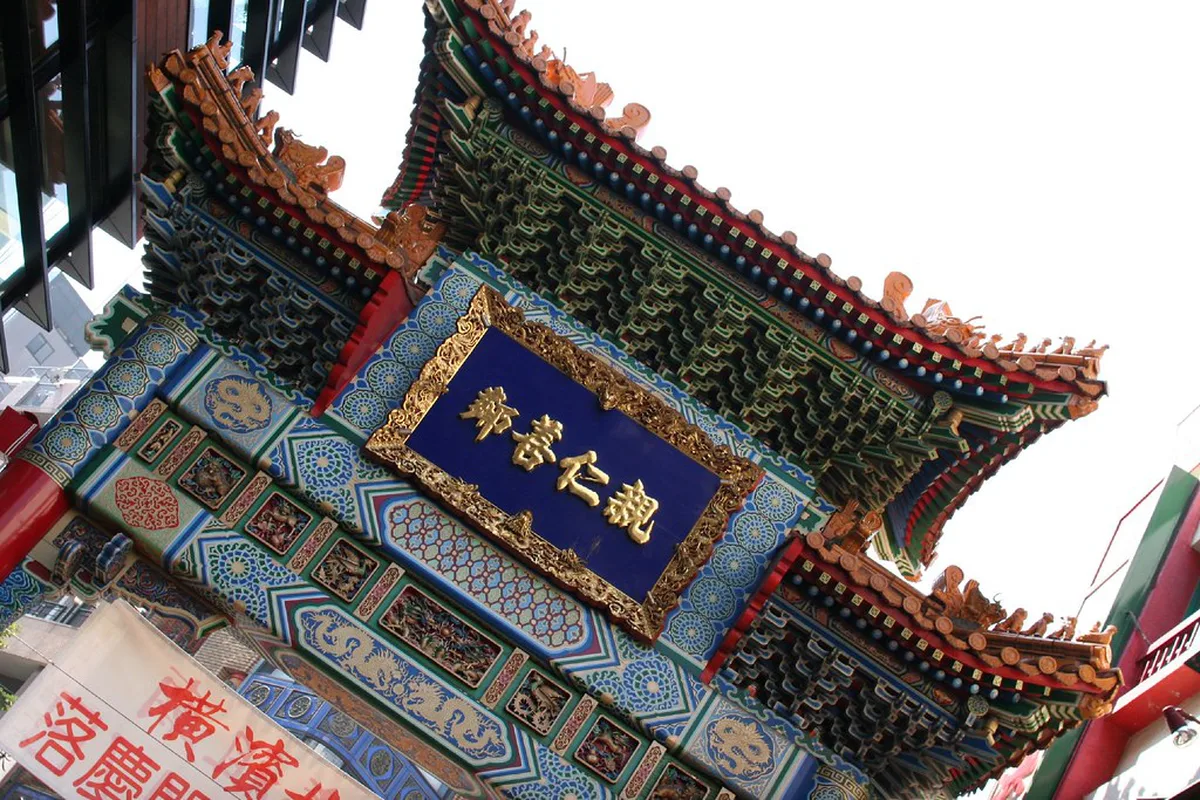
The sheer variety of Insights into Yokohama Iekei Ramen options alone makes the trip worthwhile for noodle lovers. You can spend an entire afternoon just sampling different variations of the classic steamed bun. The visual appeal of the colorful gates and temples adds a layer of cultural depth to the meal. Few places in Japan offer such a concentrated burst of international flavor in one walkable area.
If you have limited time, focus on the central axis between the Mazu Miao and Kuan Ti Miao temples. This route passes by several of our top-rated stalls and offers great views of the architecture. The energy of the crowd and the smell of roasting duck create an unforgettable travel memory. It remains a top recommendation for anyone looking to experience the soul of Yokohama's food scene.
Frequently Asked Questions
Is Yokohama Chinatown worth visiting for food?
Yes, it is absolutely worth visiting for its unique Japanese-Chinese fusion dishes. You will find specific street foods like pan-fried buns and pork crepes that are rare in Tokyo. The district offers a vibrant atmosphere and over 600 shops to explore.
Do I need cash for Yokohama street food?
Most street food stalls in Yokohama Chinatown are strictly cash-only operations. While some larger restaurants accept credit cards, you should carry plenty of yen for snacks. Small bills and coins are preferred for faster transactions at busy windows.
How do I get to Yokohama Chinatown from Tokyo?
Take the Tokyu Toyoko Line from Shibuya Station, which turns into the Minatomirai Line. Exit at Motomachi-Chukagai Station for the most direct access to the main gates. The entire journey typically takes about 45 minutes from central Tokyo.
Yokohama Chinatown is a living museum of flavor that continues to reinvent itself every year. By following this guide, you can avoid the tourist traps and focus on truly exceptional street food. Remember to respect local etiquette by standing still while you enjoy your delicious discoveries. The combination of history, culture, and cuisine makes this neighborhood a must-visit destination in 2026.
Whether you are biting into a soupy dumpling or savoring a sweet egg tart, the quality is undeniable. I hope your culinary journey through these eleven stops is as memorable as my own many visits. Safe travels and enjoy every bite of your Yokohama street food adventure.
Pair this with our complete Yokohama attractions guide for the full city overview.
Free: The Yokohama Essentials guide
Top things to do, where to stay, a perfect day plan, getting around, and the best time to go — a Yokohama mini-guide you can take offline.
You might also like



Continue reading
More guides you'll find useful


